Commonwealth Fusion Systems to receive $85 million for fusion chip development
The CHIPS Act award from the Department of Commerce will also give the U.S. government a stake in the company.

Brent gained 3.14% and U.S. crude rose 3.8%, while the United States authorized an emergency oil exchange from its strategic reserve.
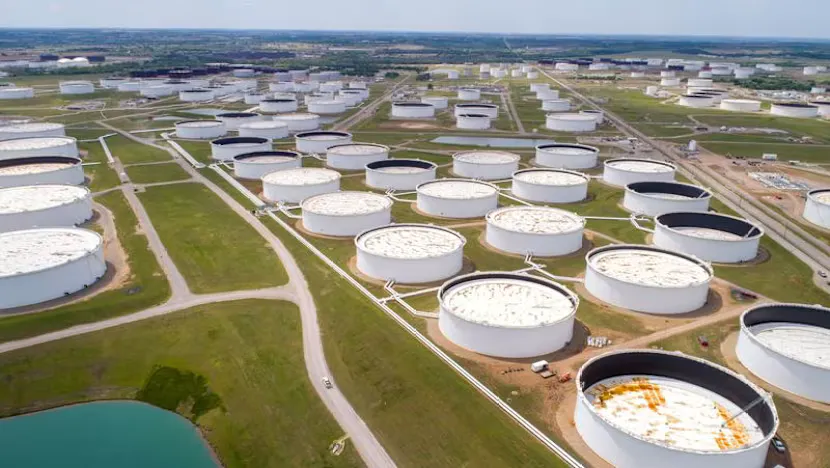
Crude futures climbed on October 23, with Brent reaching its highest settlement since April 29 as attacks on Saudi energy infrastructure heightened supply concerns. Brent gained $3.55 to settle at $116.72 a barrel, while U.S. West Texas Intermediate added $3.80 to close at $103.27 a barrel.
The gains left Brent 6% higher for the week and WTI up 2.3%. Adam Turnquist, chief cross-asset strategist for LPL Financial, attributed the advance to fears of supply interruptions following attacks across Saudi Arabia by Iran-backed Houthi rebels.
The United Arab Emirates Ministry of Climate Change and Environment said authorities detected a tanker oil spill off Umm Al Quwain. Neither the vessel's identity nor the cause of the spill had been established.
Shipping sources said on October 9 that an unidentified projectile had hit the Gem No. 2 supertanker west of Al Jazeera in the UAE. Andrew Lipow, president of Lipow Oil Associates, said concerns about tanker attacks persisted despite increased oil transit through the Strait of Hormuz.
The U.S. Department of Energy authorized an emergency exchange involving up to 400,000 barrels from the Strategic Petroleum Reserve after a supply disruption affected Phillips 66's Lake Charles refinery in Louisiana. Germany's oil stockpiling agency, EBV, also circulated a tender for sales of diesel, heating oil and crude from strategic inventories.
Separately, the head of Libya's National Oil Corp said a pipeline valve closure had reduced output at the Hamada and Tahara fields. Baker Hughes said the U.S. oil and gas rig count remained at 603 in the week ended October 23, unchanged for a second consecutive week.