Meta opens Muse Spark model weights to developers
The coding and AI-agent model has 816 billion parameters, with 42 billion active at any one time, Meta said.

The first vehicle using the new technology is due within the decade, but Volvo has not named the model or disclosed the partnership's value.
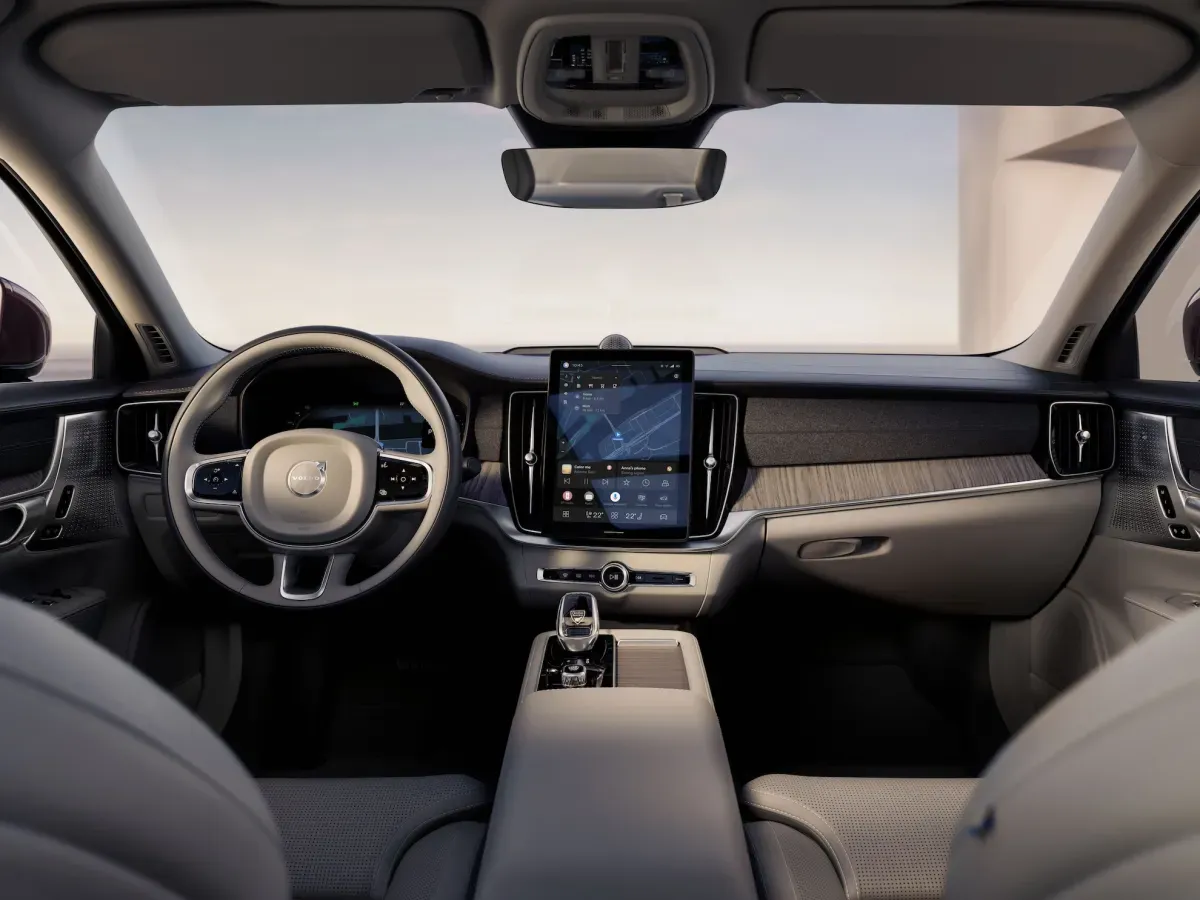
Volvo will incorporate additional Nvidia computing and software technology into future vehicles as the companies expand their nearly decade-long relationship. They said the automated driving system is intended to handle both highway travel and urban roads.
The planned system will bring together Volvo’s engineering and vehicle safety technology with three Nvidia components: Hyperion for computing and sensors, the Alpamayo driving software stack and Halos for safety evaluation.
Alwin Bakkenes, Volvo’s head of software development, said a new vehicle would introduce the technology within the decade. Volvo gave neither a model name nor a financial value for the expanded arrangement.
Bakkenes described a move from development centered on individual vehicle lines to a complete technology stack intended for electric, plug-in hybrid and gasoline-powered vehicles. He also said Volvo would increase standardization around Hyperion, including its sensor configuration.
Ali Kani, head of Nvidia’s automotive division, said Alpamayo uses two software approaches concurrently. One draws on its AI models, datasets, simulation and development tools; the other combines conventional software with machine learning and perception using cameras and radar. More than 650,000 developers have downloaded the open-source Alpamayo software, he said.
Nvidia’s Orin chip is already used across Volvo’s battery-electric vehicles, processing camera, radar and other sensor data to support driving decisions.