SEC proposes restoring most fixed-income cross trades for registered funds
The proposal would revise pricing and oversight requirements and add aggregate reporting of trading activity.

The proposed exemption would cover manufacturers in nuclear-weapon states recognized under the NPT that are also Norway’s NATO allies.
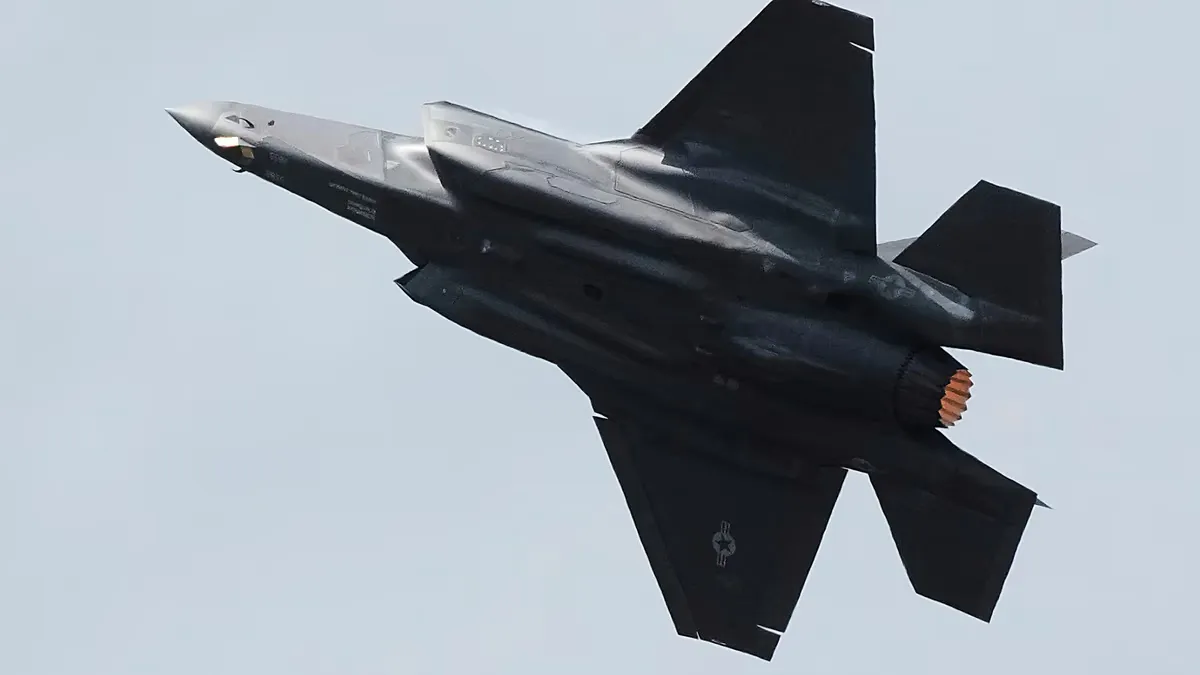
A commission appointed by Norway’s government proposed on October 15 allowing its €2 trillion sovereign wealth fund to buy shares in some nuclear weapons manufacturers, changing ethical restrictions that currently exclude major Western defense companies.
The proposal would permit investments in manufacturers based in countries that are both Norwegian NATO allies and recognized nuclear-weapon states under the Treaty on the Non-Proliferation of Nuclear Weapons. Commission chair Svein Gjedrem, a former central bank governor, said the change would bring several American, British and French manufacturers back into the portfolio.
Existing rules bar 14 companies over their work on nuclear weapons or related components. They include Airbus, BAE Systems, Boeing, Lockheed Martin and Safran. The commission said exclusions covering chemical and biological weapons, cluster bombs and landmines would stay, alongside restrictions involving tobacco, cannabis and coal.
The panel also proposed narrowing the role of the independent Council on Ethics, which advises the central bank managing the fund. It would continue evaluating risks of serious ethical breaches by companies but could no longer directly recommend their exclusion. That recommendation power has already been suspended during the review.
Finance Minister Jens Stoltenberg received the report and questioned restrictions preventing investments in companies he said could be essential to Norway’s security. Some political parties, particularly on the left, have criticized the proposals.
Public consultation runs until January 15, with the government due to present its assessment to parliament the following spring. The fund holds investments in over 7,000 companies worldwide and owns about 1.5% of listed shares globally.