Ollie sets November 6 shutdown for privacy-focused AI assistant
Co-founder and CEO Bill Lennon cited growing competition and greater difficulty raising capital. Customers will get data-export and refund instructions.

The Suncatcher satellite carries four AI processors, but its power supply allows only one to run at a time for about 20 minutes.
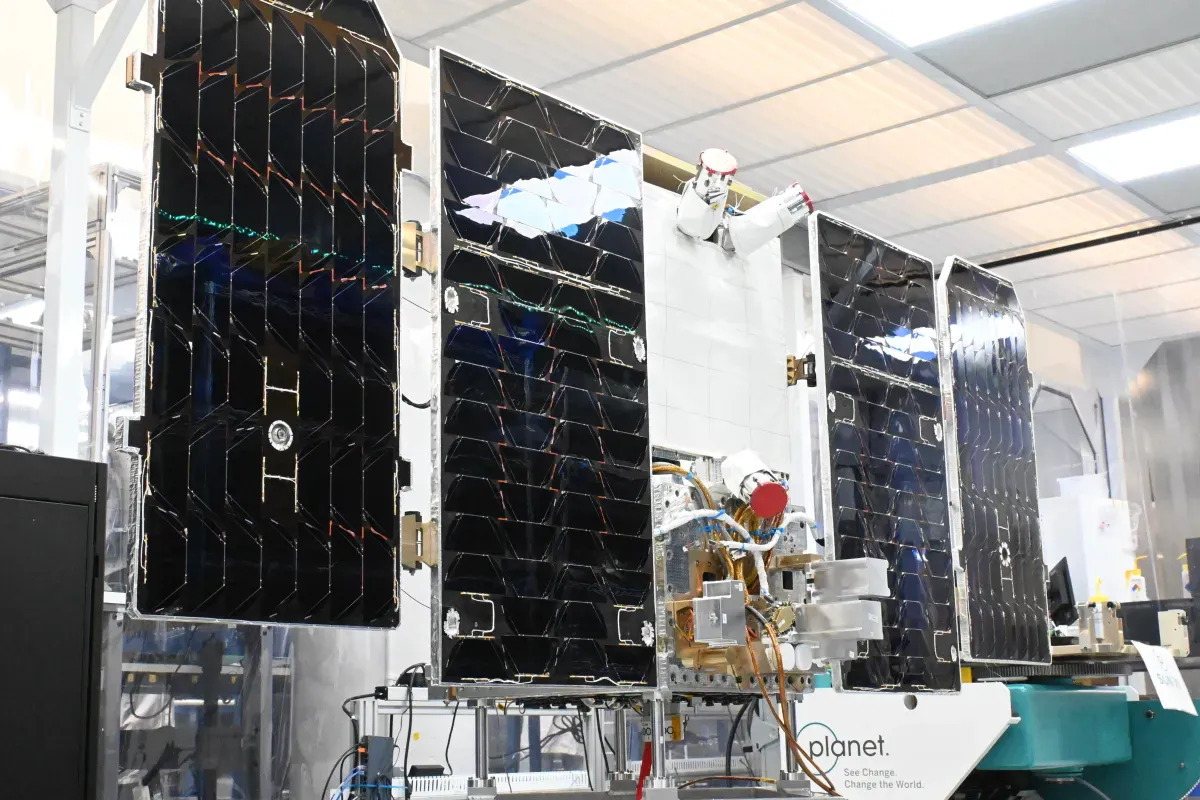
Google’s Suncatcher prototype has begun operating in orbit and exchanging communications with Earth following its launch aboard a SpaceX Falcon 9 rocket. A Google spokesperson said the satellite was functioning normally.
The spacecraft carries four Google Tensor Processing Units (TPUs) and can produce up to 1 kW of electricity. Its limited power supply means just one processor can operate at a time, for about 20 minutes, adding difficulty to communications with the ground.
Engineers spent about three weeks checking the satellite’s subsystems before sending an initial prompt to its preloaded Google DeepMind Gemma 4 model: a request for a haiku about space. Google said it also asked the spacecraft to describe surrounding orbital conditions.
Further tests will assess the processors’ response to heat and radiation. Radiation can alter values held in memory, potentially corrupting data without setting off standard monitoring systems. Ground testing indicated that radiation would pose fewer problems for inference workloads than for model training.
If the processors demonstrate sufficient capability, Google’s next step would be to send up two additional satellites in 2027. Those spacecraft would generate more power and test optical connections between satellites. Suncatcher’s longer-term goal is a network of closely spaced spacecraft that share large inference workloads.