Nasdaq falls nearly 4% as concerns over AI spending deepen
The index moved more than 10% below its October 6 closing peak, putting it on course for its second correction of the year.

The euro and sterling weakened against the dollar, while futures markets reduced the implied probability of a December Fed rate increase to around 65%.
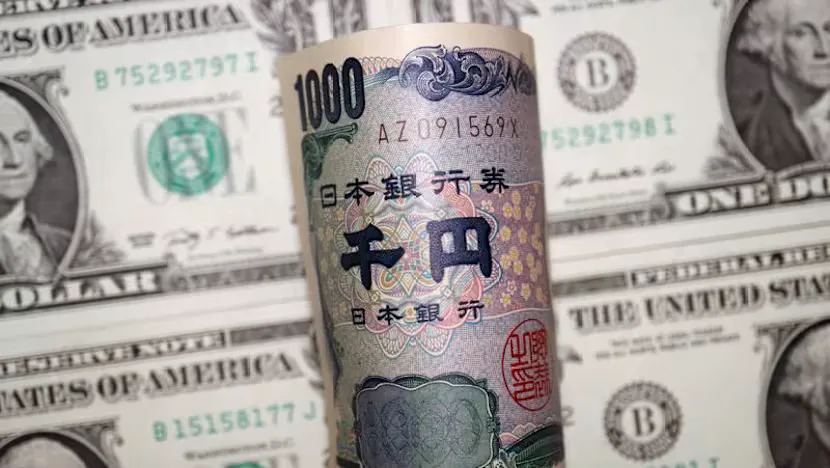
The dollar advanced against most major currencies on November 6 as technology shares declined across Asia and selling extended to Europe. Analysts said investors seeking safety were moving into dollar cash and US Treasury securities ahead of the US payrolls report.
The euro traded at $1.1171, down 0.4%, while sterling lost nearly 0.5% to $1.338. The dollar gained 0.4% against the yen to 158.2 and 0.2% against the Swiss franc to 0.8179. The Australian dollar dropped 0.76% to 0.6875, and New Zealand's currency fell 0.8% to 0.5546.
Chris Turner, ING's global head of markets, said investors were shifting toward cash rather than abandoning dollar holdings. He said Treasuries were again serving as a haven, contrasting with the dollar's weakness during an October technology-stock selloff.
An overnight rush into safer assets pushed the two-year Treasury yield about 10 basis points lower, reaching its lowest level since September 10. The 10-year yield declined nearly 6 basis points. In early European trading on November 6, yields had stabilized, with the two-year at 4.48% and the 10-year at 4.84%.
Investors were awaiting non-farm payrolls figures for clues to Federal Reserve policy. Initial unemployment claims in the preceding data release fell 6,000 to a seasonally adjusted 189,000, equaling July's 57-year low.
Analysts said the technology selloff had tightened financial conditions and could reduce the Fed's need to act against inflation. Fed funds futures put the probability of a December rate increase of 25 basis points at around 65%, compared with more than 80% on November 4.