Japan's real wage growth accelerates to 2.2% in September
Nominal pay rose 4.6%, the strongest increase since January 1997, while the labor ministry attributed a jump in special payments to a statistical quirk.

The central bank raised annual ETF sales to 860 billion yen from 330 billion yen as the government seeks revenue beyond taxes and borrowing.
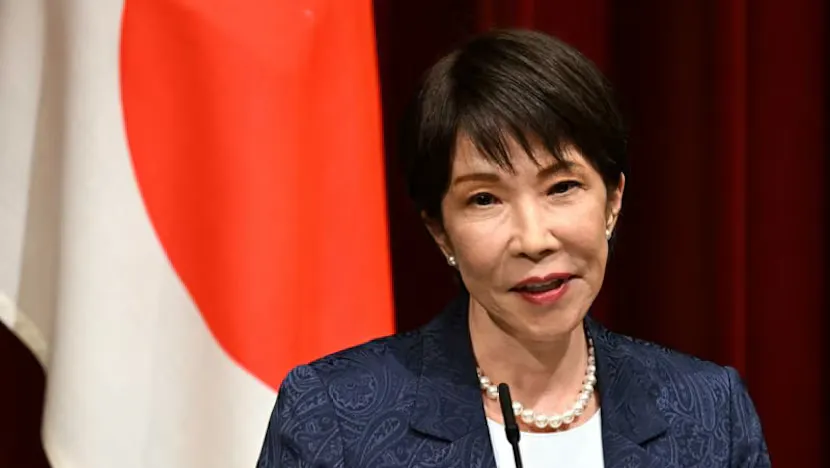
Japan will direct proceeds from expanded exchange-traded fund sales by the Bank of Japan toward growth priorities, including economic security, Prime Minister Sanae Takaichi told parliament on November 6.
Her administration is seeking more non-tax revenue to support its spending plans while limiting reliance on additional government borrowing. Takaichi said the extra income reflected Japan's economic growth and should be reinvested in crisis management and areas that support growth.
On October 30, the BOJ increased the annual pace of sales from its ETF portfolio from 330 billion yen to 860 billion yen. The government receives a share of the central bank's annual net profit, which includes earnings from those sales.
Asked about a global market selloff following the U.S. midterm elections, Takaichi said officials were closely monitoring developments as greater volatility affected economies worldwide. She noted sharp declines in AI and semiconductor shares and said the government would emphasize strengthening industries in which Japan has a competitive advantage.