South Korea explores Turkish energy funding as Sinop partner remains undecided
A memorandum calls for examining funding options without specifying an amount, while Seoul seeks a role in Turkey’s second planned nuclear plant.

Brent was on course for a 12% weekly decline, while WTI faced a 12.1% drop as U.S. election results raised expectations of an easing of the Iran war.
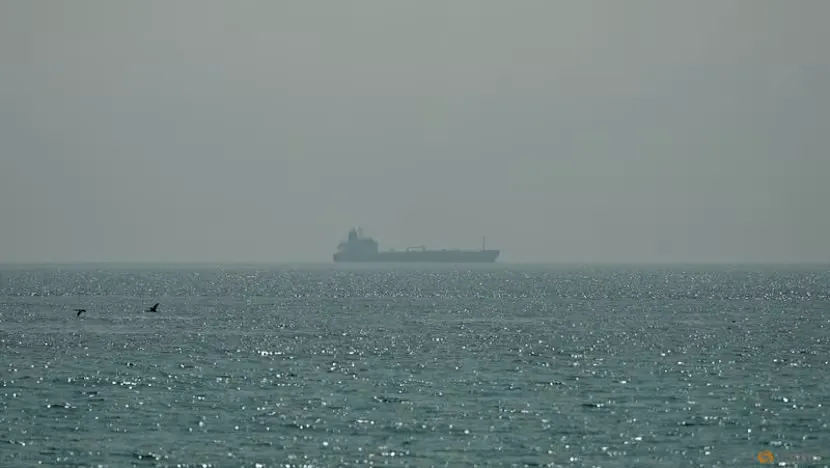
Oil prices rose for a second session on November 6 as attacks on tankers raised concerns about Middle Eastern supplies, but both crude benchmarks remained headed for steep weekly losses. Expectations of a possible easing of the Iran war following U.S. congressional elections had weighed on prices.
January Brent crude futures traded at $99.86 a barrel at 2:22 a.m. GMT, gaining $1.57, or 1.6%. U.S. West Texas Intermediate futures added $1.10, or 1.22%, to reach $91.62 a barrel.
Brent's weekly decline was on track to reach 12%, following the expiration of the December contract on October 30. WTI was heading for a weekly loss of 12.1%.
Democrats won control of both chambers of Congress from President Donald Trump's Republicans, fueling expectations that the result could help ease the U.S.-Israeli conflict with Iran, now in its ninth month. Crude fell 8% after the election outcome and settled at two-month lows before rebounding as tanker attacks increased.
Iran said three more tankers had come under attack in the Strait of Hormuz. UKMTO maritime security data suggested the pace of tanker attacks remained close to record levels.
Daniel Hynes, ANZ's senior commodity strategist, said traders viewed the earlier selloff as excessive. He said Iran still controlled Hormuz and was unlikely to give up that control, while flows through the strait remained below 60% of capacity.