Singapore holds monetary policy steady, narrows inflation forecast
MAS left its exchange-rate settings unchanged after tightening in April and July, despite all 10 analysts in a pre-decision poll expecting another move.

The council extended its sanctions committee’s work by 13 months as independent experts highlighted weaknesses in arms controls and asset freezes.
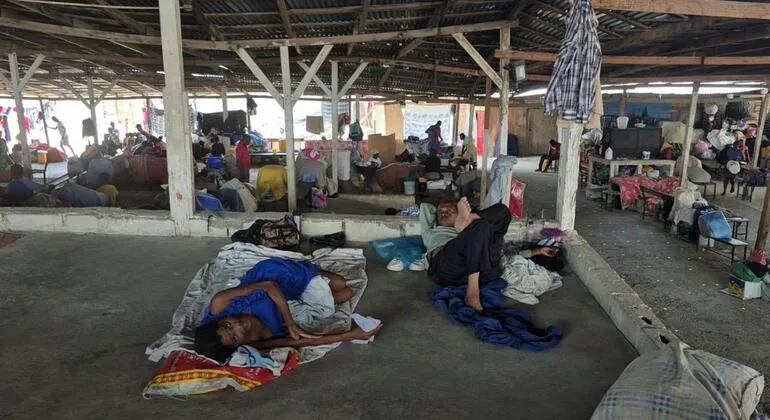
The UN Security Council renewed sanctions targeting those responsible for threats to Haiti’s security and extended its sanctions committee’s work by 13 months. Haiti welcomed the decision but cautioned that sanctions would not be enough to restore security.
Established in 2022, the sanctions system includes restrictions on arms, travel and assets. Nine individuals and two groups are currently subject to sanctions. Governments enforce the measures through banks, border controls and ports.
The council’s independent panel of experts said violations of the arms embargo were regular. Haiti produces neither firearms nor ammunition, yet UN human rights office figures put the estimated number of illegal weapons circulating in the country at between 270,000 and 500,000.
The panel said asset freezes had been less effective: accounts belonging to only two sanctioned individuals were reported frozen, containing small sums. Slow action by banks allowed targets to transfer funds or conceal them using other people’s names. Experts found no attempted travel-ban violations but warned that fraudulent passports could enable travel under false identities.
Haitian and US authorities have intercepted illicit shipments, while the UN Office on Drugs and Crime supports regional anti-trafficking efforts. The panel urged action against the political, economic and security networks supporting gangs, rather than focusing only on their leaders.
Gang violence has displaced about 1.5 million people, roughly 12% of Haiti’s population. Speakers at the council meeting called for stronger efforts to disrupt gang financing and close enforcement loopholes.