Japan's wholesale prices rise 6.8%, below market forecast
September's annual increase eased from 7.6% in August, but inflation pressure kept expectations of a near-term Bank of Japan rate hike alive.

Governor Shin Hyun Song cited energy costs and AI demand as inflation drivers, but declined to signal a decision for the October 22 policy review.
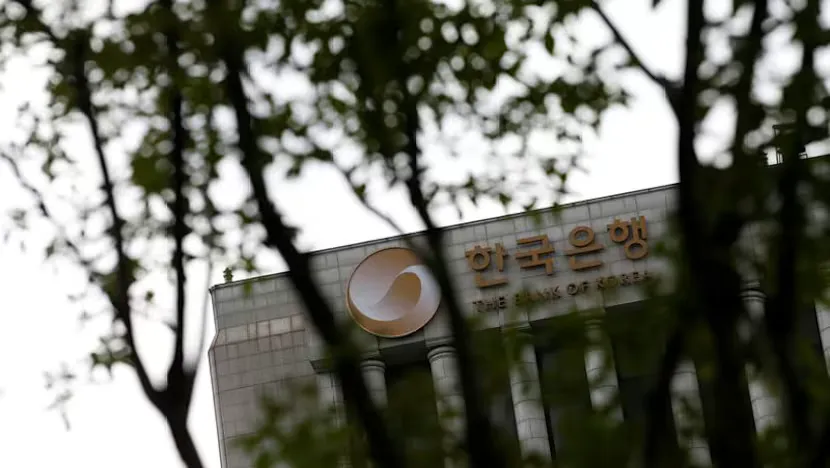
Bank of Korea Governor Shin Hyun Song said on October 13 that monetary policy would remain restrictive to address persistent inflation. Speaking in Bangkok, he said both headline and core inflation were expected to exceed the central bank's target for a while.
South Korea's annual consumer inflation eased to 2.9% in September, remaining above the bank's 2% target. The benchmark rate stands at 3.00% after increases in July and August.
At the IMF and World Bank annual meetings, Shin linked price pressures to higher energy costs caused by the Middle East war and strong demand for artificial intelligence. He said the AI cycle's positive effect on South Korea outweighed the war's negative impact, while both contributed to inflation.
Shin later told reporters that the two consecutive rate increases had produced some desirable effects. He would not say whether the bank would raise rates again at its October 22 policy review.
Earlier on October 13, President Lee Jae Myung described a near-term increase as almost certain. He said South Korea needed to reduce its widening yield gap with the United States and move in line with global monetary tightening.