Japan's wholesale prices rise 6.8%, below market forecast
September's annual increase eased from 7.6% in August, but inflation pressure kept expectations of a near-term Bank of Japan rate hike alive.

The 2026 update counts 51.5 million more people than the previous edition, with population growth contributing to the increase.
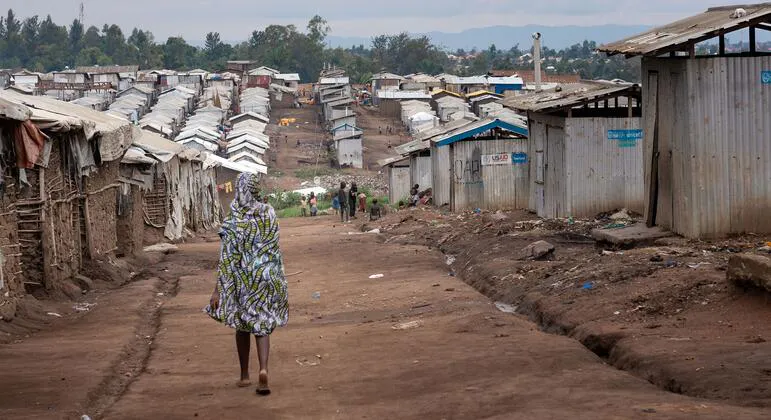
The 2026 global Multidimensional Poverty Index puts the number of people experiencing overlapping deprivations at 1.2 billion, an increase of 51.5 million from the 2025 update. Published by the United Nations Development Programme (UNDP) and Oxford University, the index assesses hardship beyond income.
Children account for 617 million of those counted, while 83% live in rural areas. The update covers 108 countries comprising some 78% of the world's population. Across all indicators, most deprivations are concentrated in sub-Saharan Africa and South Asia.
The increase partly reflects population growth exceeding improvements in living standards. For 95 countries without fresh survey data, revised population estimates added nearly 16 million to the poverty count. The remaining increase came from 13 countries with newly gathered data, reflecting changes in poverty incidence, demographics and indicator coverage.
New surveys showed lower poverty shares in Egypt, Nepal, Tajikistan, Angola and Zambia. However, Angola and Zambia still recorded higher numbers of people in poverty because their populations grew faster than poverty declined. In Nigeria, both the rate and the count increased after substantial reductions during the 2010s.
The index uses 10 indicators spanning health, education and living standards, including nutrition, schooling and access to basic services. People qualify as multidimensionally poor when they experience deprivation in at least one-third of those indicators.
UNDP Administrator Alexander De Croo called for action on the increase. UNDP also said 33 countries, including six in sub-Saharan Africa, had cut their MPI values by half in fewer than 15 years. The update's authors believe the international goal of halving the proportion of people in poverty before the decade ends remains achievable.