New World expects $189.1 million in new notes after early debt tenders
The Hong Kong developer said it would accept all notes submitted by the early deadline, with settlement expected on October 20.

The Indian materials startup has earmarked around $7.5 million for U.S. expansion and $2 million to develop its AI platform.
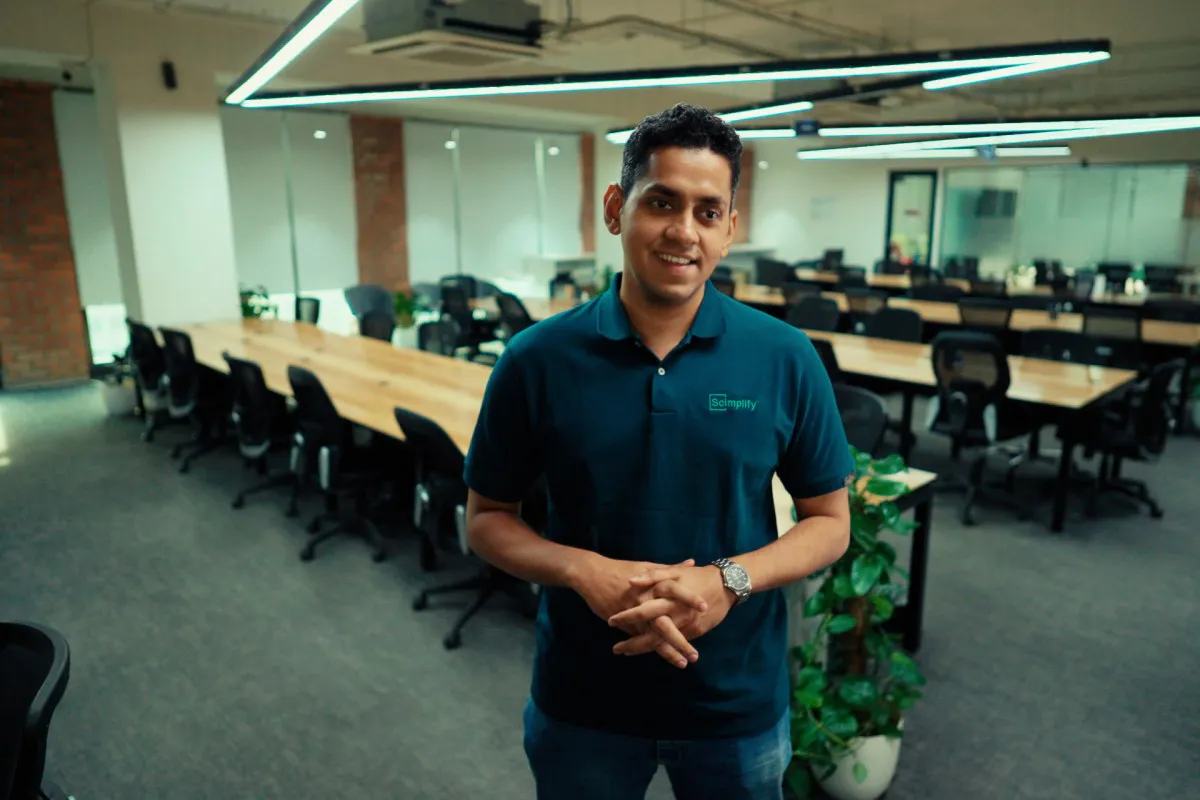
Bengaluru-based Scimplify raised $25 million through an all-equity round led by Hitachi Ventures to support expansion of its specialty chemicals and critical materials business. Henkel and Teknor Apex, both customers of the startup, joined its investor base.
The financing gave Scimplify a post-investment valuation of $250 million, a person familiar with the transaction said. That compares with $150 million following its March 2025 Series B, which raised $40 million. Scimplify would not disclose its valuation but said its cumulative equity financing had reached $80 million. Returning investors included 3one4 Capital, Omnivore, Accel India and Bertelsmann India Investments.
Co-founder Sachin Santhosh said the company intends to spend around $7.5 million expanding in the U.S., including developing its manufacturing network, though the allocation may change. It has separately earmarked $2 million for Scinode, its proprietary AI platform. With about 90% of manufacturing currently in India, Scimplify plans to extend its production network to the U.S. and Japan, he said.
Scimplify designs chemical production processes at research sites in Hyderabad and Bengaluru, then passes them to partner factories. Santhosh said Scinode helps select production methods and facilities and monitor quality and regulatory requirements. Scientists and engineers employed by Scimplify supervise manufacturing through a network exceeding 500 facilities.
Santhosh put the company's annualized revenue run rate at about $200 million, triple the level a year earlier. The U.S. figure rose sixfold from $10 million to about $60 million and represents roughly 30% of its business. He said energy, electronics and defense generate about 45% to 50% of revenue.
The startup is developing tungsten derivatives from scrap and working on rare-earth materials to offer alternatives in supply chains heavily reliant on China. Its customers include BASF, TDK and Hitachi.