IREN revenue beats estimates as Microsoft project delays push back target
AI cloud revenue reached $200 million, while shares gained more than 4% in extended trading after closing about 17% lower.

The Singapore lender now forecasts low-double-digit loan growth and lower credit costs, despite weaker insurance and trading income.
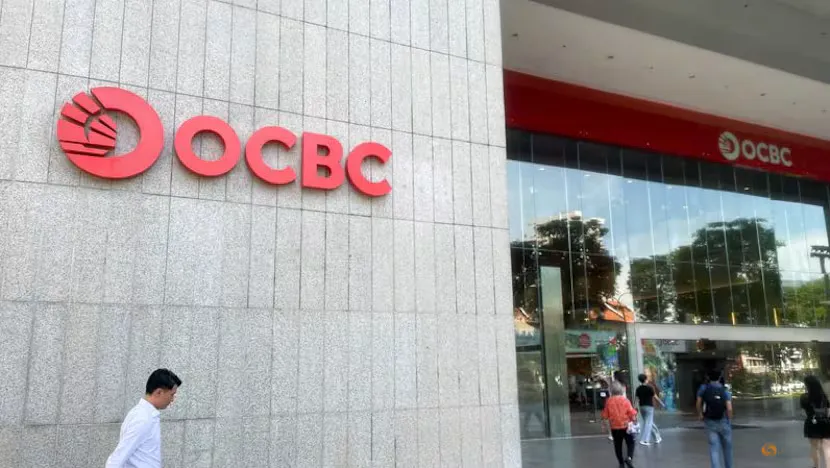
Oversea-Chinese Banking Corp (OCBC) raised its outlook for 2026 on November 6 after reporting S$2.04 billion in third-quarter net profit, a 3% annual increase. Earnings exceeded analyst estimates despite weaker investment performance at its insurance arm, Great Eastern Holdings.
Profit for the July-September period compared with S$1.98 billion a year earlier. Four analysts polled by LSEG had forecast an average of S$2.01 billion.
OCBC lifted its loan growth projection for 2026 to low double digits; its earlier range ran from high single digits to low double digits. The bank expects credit costs of 15-20 basis points, below its previous 20-25 basis-point range. It anticipates at least mid-single-digit percentage growth in total income, while projecting little change or a slight decline in net interest income.
For the quarter, the bank reported a 4% annual increase in net interest income, supported by expansion in customer loans and high-quality non-commercial assets. Net interest margin nevertheless contracted by 18 basis points. Trading income was down 10%, and insurance income fell 37%, largely reflecting Great Eastern’s weaker investment performance.
OCBC said Great Eastern’s bond portfolio incurred mark-to-market losses, while substantial equity gains booked in the second quarter did not recur. Wealth management income across the group fell 25% from the preceding quarter. With Great Eastern excluded, banking wealth management income increased 2%, reaching a record S$1.12 billion.
Income from customer flow trading grew 29% year over year. By contrast, income from non-customer flow trading and investments turned negative, recording a S$15 million loss. OCBC said it was watching developments in the Middle East conflict, energy markets and Indonesian market conditions.