Dollar slips with Treasury yields as yen awaits BOJ decision
U.S. bond yields hit their lowest in more than a month, while markets put the probability of a December rate increase in Japan at about 80%.

Advantest and Tokyo Electron led the decline, while Japan's broader Topix fell 1.3% ahead of the Bank of Japan's policy decision.
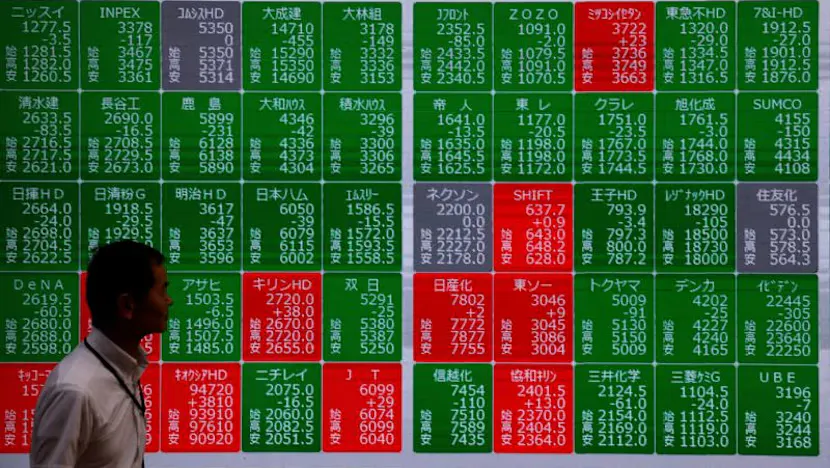
Japanese technology shares drove the Nikkei lower on October 30 as investors questioned whether spending on artificial intelligence could be sustained. The index fell as much as 3% before trading down 2.8%, following losses in U.S. stocks.
Chip equipment makers Advantest and Tokyo Electron dropped 9.1% and 5.6%, respectively. Other technology declines included Ibiden's 15.2% fall, a 13.8% loss for Lasertec and a 6.7% retreat in SoftBank Group.
Earnings from Amazon.com and Intel showed substantial cash consumption, pushing their shares and those of peers lower in extended U.S. trading. Maki Sawada, an equities strategist at Nomura Securities, said concerns about returns on AI investment were weighing on stocks, with Japan affected by the U.S. technology selloff.
The Topix declined 1.3% and was on course for a weekly loss of 0.4%. The Nikkei still held a 0.2% gain for the week, despite sharp technology-stock swings prompted by earnings in Japan, the United States and South Korea.
Some earnings-related moves ran against the decline. Konami rose 15.3%, the largest percentage advance among Nikkei constituents, while Tokyo Disney Resorts operator Oriental Land gained 6.6%.
The Bank of Japan was due to deliver its policy decision on October 30. Expectations were broadly for unchanged interest rates, with investors seeking indications of whether an increase could come at the December meeting.