Vietnam announces electricity price cut and zero gasoline tax
The government says the measures, effective November 1, aim to lower household and business costs and support economic stability.

Hartmut Jenner says higher operating costs are weakening the case for new production sites, while US trade policy and Chinese competition add pressure.
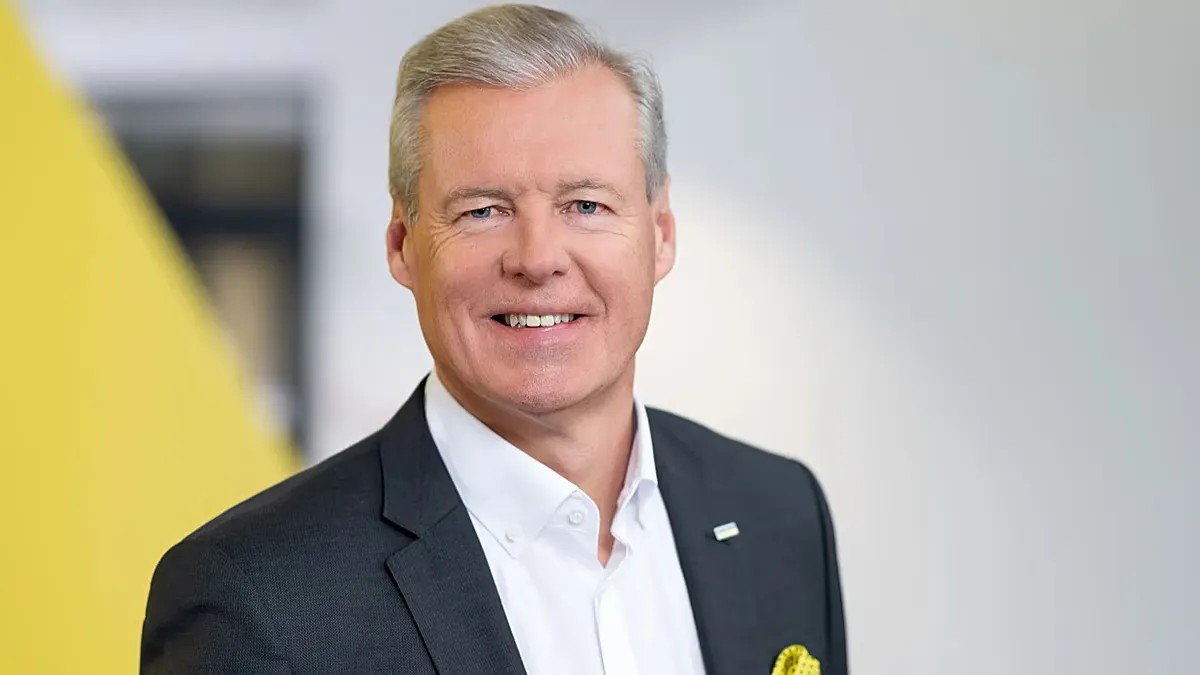
Germany should simplify business administration, encourage overtime and ease procedures for hiring skilled workers, Kärcher CEO Hartmut Jenner said, arguing that rising costs were leaving little economic justification for additional production facilities or jobs in Germany and Europe.
In an opinion piece, the head of the German cleaning equipment maker proposed more flexible working hours and faster authorities using artificial intelligence. He said documentation obligations consumed money and staff time that companies needed for their operations and innovation.
Jenner also urged the European Union to enforce trade rules more firmly. He argued that unpredictable US tariff policy threatened export businesses, while Chinese subsidies and currency policy distorted competition. China’s growing technological capabilities posed another challenge to European industries, he said.
Pointing to industrial job cuts and lower production, Jenner said deindustrialization was already occurring in Germany. He described forecasts for 1.3% economic growth as cautiously optimistic but argued that debt-funded spending, defense orders and subsidies could not substitute for a sustained revival in private investment.
Family-owned Kärcher recorded turnover of almost €3.5 billion in 2025, earning 86% abroad. The manufacturer has 17,000 employees and operations in 87 countries. More than 1,000 of its employees work in research and development globally, according to the company.