Japan plans to channel BOJ ETF sale proceeds into growth spending
The central bank raised annual ETF sales to 860 billion yen from 330 billion yen as the government seeks revenue beyond taxes and borrowing.

The changes address mission aborts and debris risks as the White House seeks to enable at least 1,000 launches and re-entries a year by 2030.
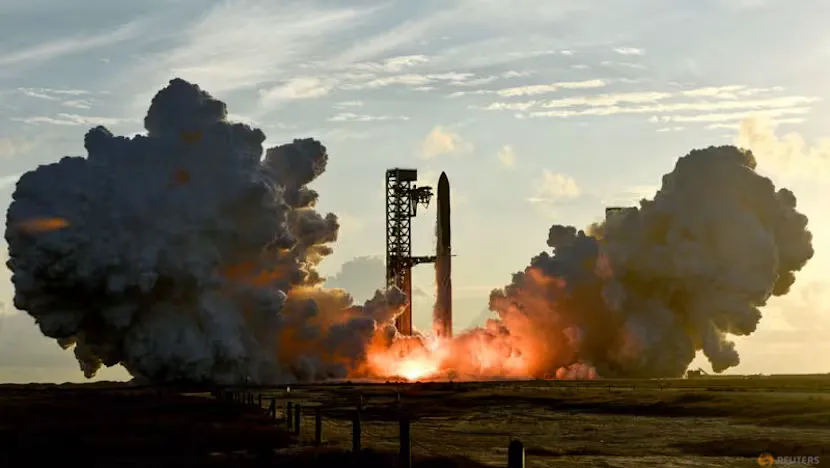
U.S. commercial space operators could face a simpler approval process under regulatory revisions proposed November 5 by the Federal Aviation Administration. The changes would ease approvals for SpaceX and Blue Origin, while the FAA also plans a broader redesign of its licensing system.
The proposals address when operators must terminate a mission because something has gone wrong, clarifying the thresholds for a required abort and circumstances in which one is unnecessary. They would also revise requirements covering spacecraft that disintegrate during descent and the methods companies use to assess whether debris could strike people.
The White House's goal is to enable an annual minimum of 1,000 launches and re-entries by 2030. Neither SpaceX nor Blue Origin immediately provided a response to requests for comment.
To shorten approval times, the FAA said it is increasing staffing in its Office of Commercial Space Transportation, naming an associate administrator and hiring aerospace engineers. The engineers will perform safety reviews and mission authorizations, with the agency saying faster processing would preserve public safety.
Other FAA proposals would allow electronic applications, broaden operators' options for demonstrating safety and let them submit three safety analyses together. Separately, the agency proposed in July exempting commercial space licensing from requirements in several laws to simplify the process.