Japan factory PMI rises in November as export orders strengthen
Manufacturing improved on semiconductor and electronics demand, but slower services activity pulled the composite PMI to a six-month low.

The former policymaker expects another increase in December or January, with inflation likely to remain above the central bank’s 2% target.
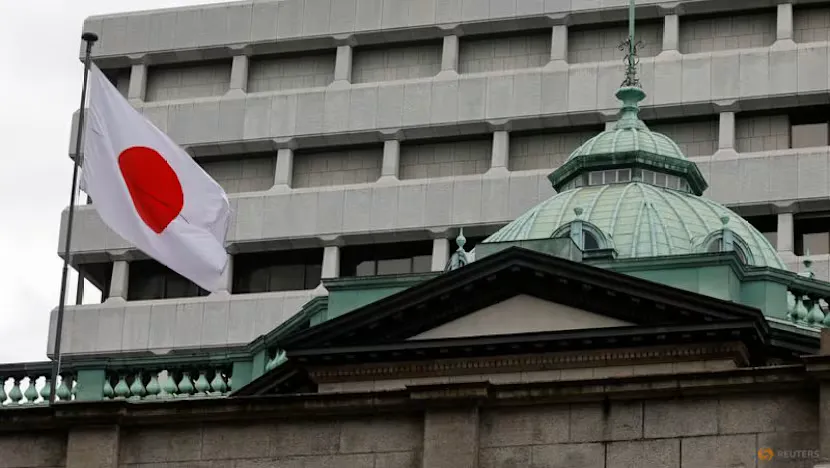
Weak household demand could make additional Bank of Japan interest-rate increases harder to defend politically, even as inflation calls for more tightening, former BOJ policymaker Seiji Adachi said in a November 24 interview.
Adachi forecast an increase from the current 1.25% policy rate to 1.5% in December or January. He said subsequent moves could bring the rate to 1.75% or 2.0% to limit the risk of inflation overshooting. Fuel subsidies have softened pressure on households, but businesses passing along higher raw material costs would likely keep inflation above the BOJ’s 2% goal, he said.
Higher borrowing costs and living expenses were pushing households toward saving, Adachi said. Persistent weakness in spending could prompt resistance to further tightening from Prime Minister Sanae Takaichi’s government and advisers who favor economic stimulus. He identified mortgage rates as a potential early channel through which households would feel the impact.
The BOJ’s September increase brought its policy rate to 1.25%, following an earlier move in June. Governor Kazuo Ueda has indicated a willingness to tighten further to contain inflation. However, concerns about consumption and growth led two board members to oppose the September decision.
An unexpected contraction in Japan’s economy during the July-September quarter accompanied a decline in consumption. Ueda attributed that weakness to temporary factors, including bad weather. Adachi served on the BOJ board for five years, ending in 2025.