South Korea expects solid growth next year but warns of chip-sector risks
Finance Minister Lee Hyoung-il said inflation should ease, while AI regulation, geopolitical instability and higher global interest rates pose risks.

A duty of around 20% is under consideration for selected varieties, with a decision pending consultations among ministries, a government source said.
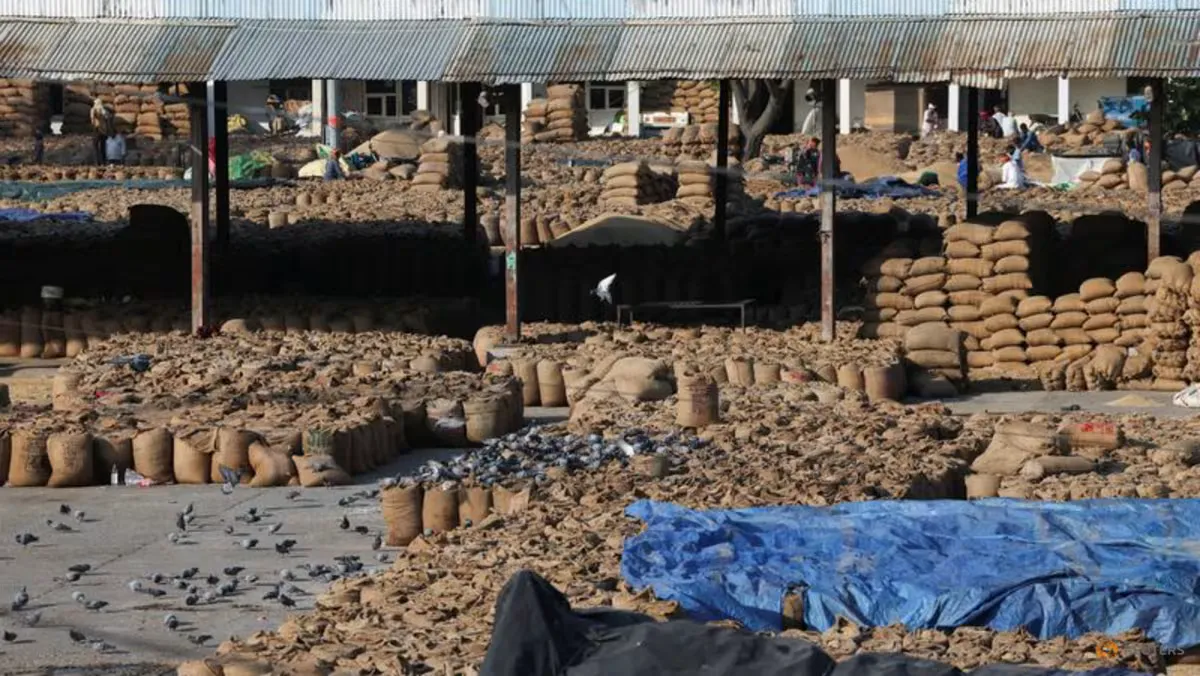
India is considering duties on selected rice exports to increase supplies at home and contain rising costs for consumers and businesses, two government sources and two industry sources said on November 23.
Discussions center on 100% broken rice and certain premium non-Basmati varieties facing shortages in southern states, the sources said. One government source said officials were weighing a duty of around 20% on varieties with sharp price increases. Consultations with relevant ministries would precede a final decision. A government spokesperson did not immediately comment.
Another government official said poultry and cattle feed businesses had suffered most from higher broken rice prices and had sought shipment restrictions. The sources requested anonymity because the deliberations are private.
Duties could shift supplies toward Indian buyers while benefiting competing exporters Thailand, Vietnam and Myanmar. A dealer at a global trading house in New Delhi said a duty might reduce India's exports without halting them because its rice remained cheaper than rival supplies.
Raipur-based exporter Mukesh Jain opposed restrictions, saying price increases affected some premium non-Basmati varieties while other grades were largely stable and domestic supply exceeded demand. He said continued exports would free storage for the incoming crop. Government rice holdings, including unmilled paddy, stood at a record 55.3 million metric tons on November 1, almost four times the official target.