Arm CEO Haas extends contract through 2033 amid Nvidia succession speculation
Haas will also become SoftBank Group vice chairman on December 1, adding to his responsibilities at Arm's majority owner.

Lawmakers are pressing for tougher chip export controls as Jensen Huang prepares for congressional appearances in December.
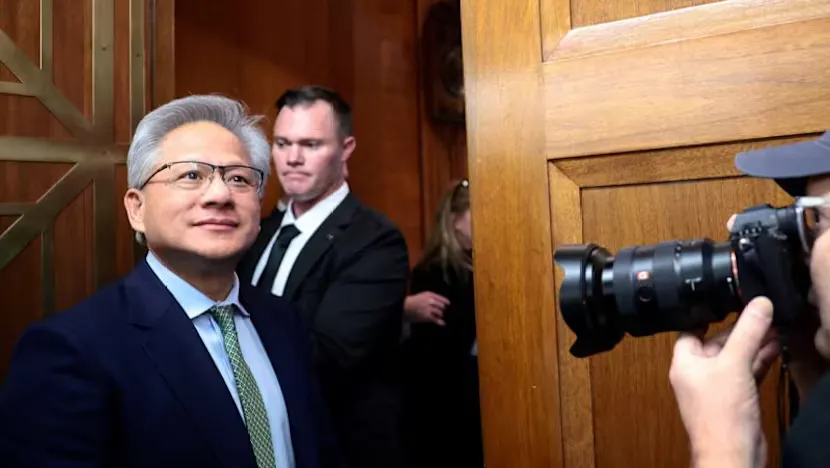
Nvidia's reinstatement of Jensen Huang as CEO drew criticism from Republicans and Democrats in Congress, who sought answers about the board's decision and called for stronger limits on advanced AI chip exports to China.
President Donald Trump said in an interview that he had urged the directors to reinstate Huang and doubted they would have acted without his involvement. Nvidia offered no immediate comment on the congressional criticism. Republican Senator John Curtis asked why directors had reversed their earlier position against Huang's return.
On November 23, Tom Cotton, the Republican chairman of the Senate Intelligence Committee, pressed lawmakers to approve the Chip Security Act. The bill addresses the diversion to China of advanced chips initially exported legally. Manufacturers would have to locate advanced AI processors and report suspected transfers to barred users, potentially increasing Nvidia's compliance expenses and reporting requirements.
Democratic Senator Elizabeth Warren said Nvidia's board had yet to answer Congress's questions about adherence to US export controls. Incoming House Speaker Hakeem Jeffries called for restrictions on AI technology reaching China to be included in annual defense legislation.
Huang is scheduled for a public Senate Banking Committee hearing on December 3, Republican committee chair Tim Scott said. Representative Jim Himes said a private interview involving three House panels remained expected on December 1. Huang's personal spokesperson declined to discuss the Senate appearance.
Republican Senator Pete Ricketts is also seeking passage of the Match Act, which would push US allies to limit China-bound chipmaking equipment sales and maintenance. It would affect suppliers including ASML and Tokyo Electron, but would not impose direct restrictions on Nvidia's chip sales.