Qatar to unveil defense partnership as minister warns energy crisis has not peaked
The planned cooperation would cover ballistic missiles, drones, cyberattacks and water security, while Qatar also prepares a defense production hub.
Bernd Lange wants investment included in wider negotiations as European lawmakers prepare to visit China on October 27 to 29.
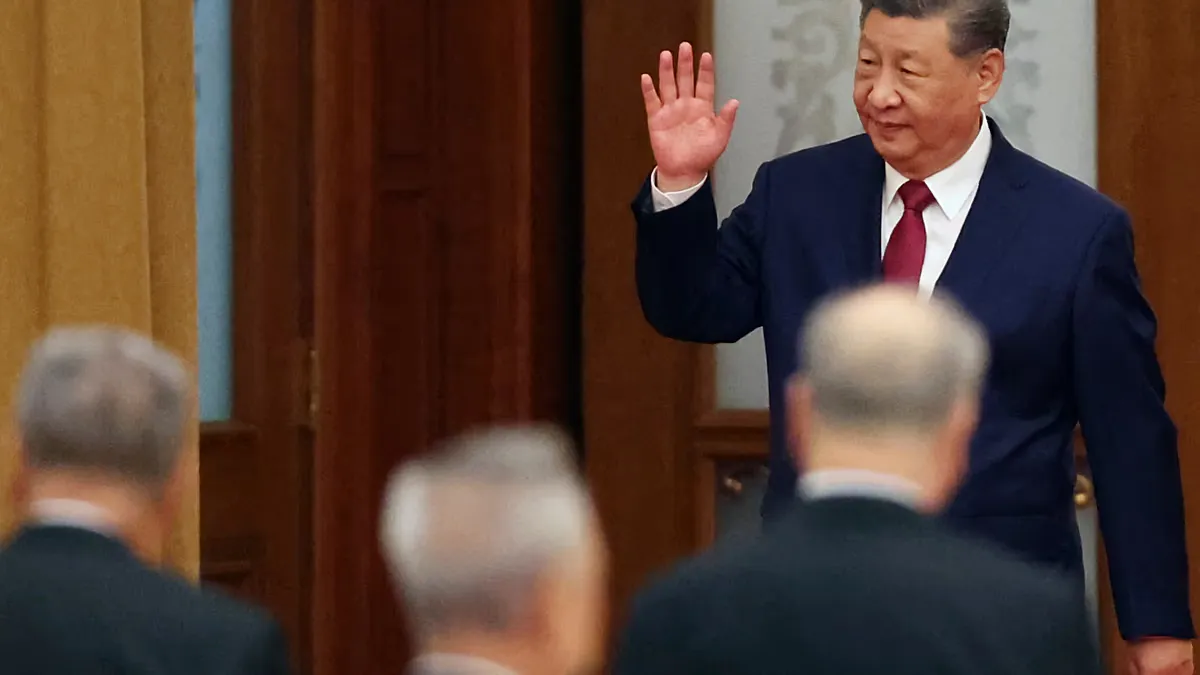
The European Union should pursue a wide-ranging trade pact with China that could cover investment, rather than focus on separate industries, European Parliament Trade Committee chair Bernd Lange said on October 21. His call comes before a visit to China by 12 European lawmakers.
Lange, a German Socialist, urged progress toward an agreement and suggested revisiting the investment provisions of the previously negotiated Comprehensive Agreement on Investment. Parliament halted ratification of that pact in 2021 after Beijing retaliated with sanctions against EU measures concerning human rights abuses.
The EU considers an October 9 agreement covering hybrid cars inadequate to tackle its trade deficit with China, which is around €1 billion a day. Under that arrangement, China agreed to cut hybrid car exports to the bloc by half over four years.
The car agreement provides for country-specific EU quotas admitting 350,000 Chinese hybrids each year, with an annual adjustment fixed at 6%. The European Commission described it as an initial stage, with technical negotiations continuing ahead of political talks scheduled for March 2027.
French liberal lawmaker Pascal Canfin, who is joining the delegation, said negotiations should also tackle unfair practices affecting manufacturers across industries. Lange identified Chinese restrictions on rare-earth exports, unfair subsidies affecting chemicals and machinery, and a 20% surcharge applied to EU public-procurement bids as issues for a future pact.
During the October 27 to 29 visit, lawmakers will meet Chinese commerce ministry representatives and National People’s Congress members. Meetings with high-tech businesses in Hangzhou are also expected. EU leaders have given the Commission political backing for unilateral quotas protecting chemicals and machinery, while Spain is among the member states seeking a softer approach to attract Chinese investment.