IMF sees Kazakhstan growth accelerating in 2027 after 2026 slowdown
Kazakhstan is expected to outpace other oil exporters in the fund’s Middle East and Central Asia group in 2026.

The governor said wage increases were consistent with 2% inflation, but that rate of price growth was not yet established as a social norm in Japan.
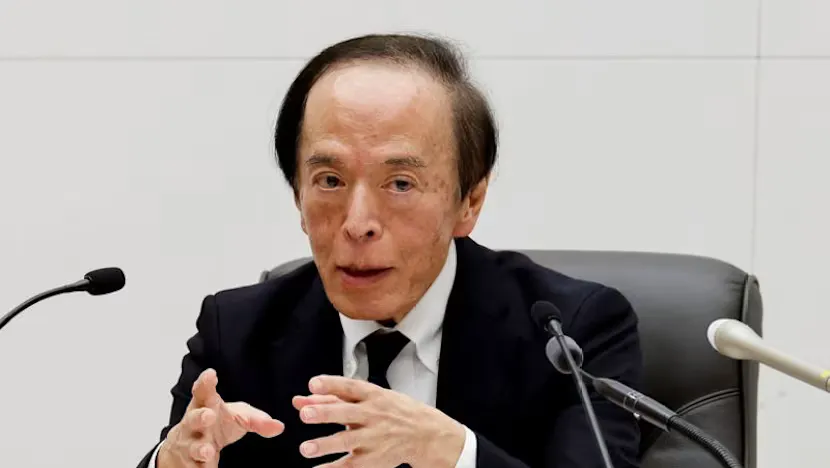
Japan's central bank anticipates underlying inflation of around 2%, Bank of Japan Governor Kazuo Ueda said on November 6, while acknowledging “some upside risks.” The bank's objective is to anchor underlying inflation near that target, he said.
At a Washington seminar hosted by the International Monetary Fund, Ueda said increases in energy-related product prices had begun feeding into consumer inflation. He expected price growth to accelerate further.
Ueda described wage increases as compatible with inflation at 2%. Still, he said that inflation rate had not become an accepted social norm in Japan.
Decisions by foreign central banks receive close scrutiny from the BOJ, Ueda said, because they affect currencies, interest rates and other asset prices. He added that their actions reveal their assessments of economies that, in turn, influence Japan's economy.
Turning to unconventional monetary policy, Ueda said the BOJ's past use of such measures had produced positive effects, without fully substituting for reductions in positive interest rates. The severity of a future economic shock could force the bank to deploy them again, he said. If that became necessary, the BOJ should consider how to reduce negative effects, including potential disruption to market functioning.