WTO upgrades goods trade outlook as AI demand bolsters Asia
The WTO expects Asia to contribute 4.0 percentage points to global goods trade growth in 2026, while conflict-related disruptions weaken the services outlook.

The renewal leaves the sanctions mandate unchanged as WHO says its $97.7 million humanitarian appeal for Sudan is only 23% funded.
The UN Security Council voted unanimously on October 8, 2026, to extend Sudan’s sanctions regime until December 11, keeping targeted measures and an arms embargo in place for another two months. The decision came as the World Health Organization warned of severe shortages affecting displaced people in Darfur.
The United States drafted the renewal, which does not alter the existing mandate and follows a one-month extension approved on September 11. The expert panel responsible for monitoring the sanctions will retain its mandate until January 11, 2027.
Washington had sought to broaden the arms embargo beyond Darfur to cover all of Sudan and every party to the war, while also addressing drones and dual-use technology, according to media reports. That proposal did not secure consensus; reports said around half the council favored a one-year extension limited to Darfur.
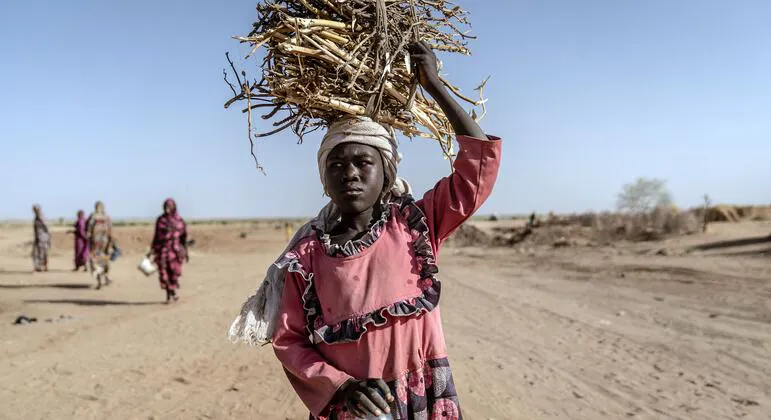
WHO said more than 700,000 displaced people in Tawila lack adequate healthcare, food, water and protection. The International Organization for Migration estimates that Darfur accommodates 65% of Sudan’s 8.6 million displaced people.
Only 23% of WHO’s $97.7 million humanitarian appeal for 2026 has received funding, the agency said. WHO said it was ready to expand assistance in Darfur, Kordofan and other areas affected by conflict, but called for more resources and safe, uninterrupted access. It also warned that medicine supplies for HIV, tuberculosis and neglected tropical diseases were running low, while mental health services remained severely limited.