Asia-Pacific airlines face higher fuel exposure as hedges expire
Jet fuel is trading at about $148 a barrel, while an industry association says fuel accounts for roughly 33% of airline operating costs.

The IEA reversed its fourth-quarter deficit forecast, projecting supply would exceed demand by 1.7 million bpd as Middle Eastern exports recover.
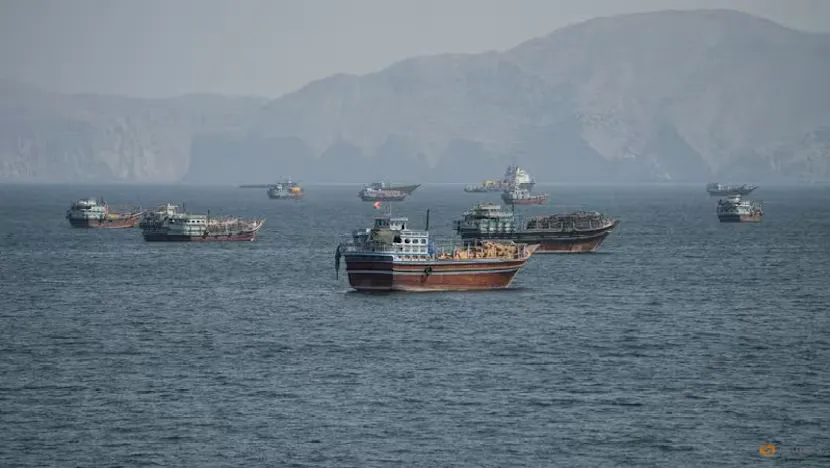
Crude prices dropped on November 16 amid expectations that recovering Middle Eastern shipments would leave the market oversupplied. By 1:45 a.m. GMT, Brent futures had lost 0.49%, or 47 cents, reaching $95.37 a barrel. US West Texas Intermediate was at $88.33 after declining 0.26%, or 23 cents.
Shipments passing through the Strait of Hormuz were close to their pre-war levels. The International Energy Agency said Middle Eastern exports were rebounding more quickly than global demand, even as attacks on shipping continued.
The IEA now expects fourth-quarter supply to average 105 million barrels per day, putting it 1.7 million bpd above anticipated demand. Its earlier projection had pointed to a shortage for the quarter.
A US shipping measure also weighed on prices. President Donald Trump prolonged a Jones Act exemption for 90 days, a White House official said. The waiver lets foreign-flagged vessels carry petroleum cargoes between domestic ports, increasing the number of tankers available for those journeys.
The IEA also said 71 million barrels under its members' emergency stockpile commitment made in March would be available by the end of February. That includes 15 million barrels of diesel aimed at easing tight supply.
Tim Waterer, chief analyst at KCM Trade, said the prospect of excess supply was weakening sentiment, while elevated shipping rates were helping support prices. Risks persisted: according to a state media report, Iran's navy said a tanker hit a naval mine and caught fire east of Hormuz. The claim remained independently unverified.