Azerbaijan plans wider European energy supplies and pipeline expansion
President Ilham Aliyev said gas deliveries to the EU had reached 13 billion cubic meters, while renewable energy exports are also planned.

Jet fuel is trading at about $148 a barrel, while an industry association says fuel accounts for roughly 33% of airline operating costs.
Expiring fuel hedges are leaving Asia-Pacific airlines increasingly exposed to elevated prices, industry executives said at an annual gathering in Kuala Lumpur. Carriers must weigh whether to replace that protection at higher prices or leave more purchases unhedged.
Spot jet fuel prices stand at about $148 a barrel, compared with nearly $180 at October's end and roughly $85 before the Iran war started in late February. Association of Asia Pacific Airlines director general Wong Hong said fuel accounts for about 33% of operating costs. IATA put the share at 25% last year.
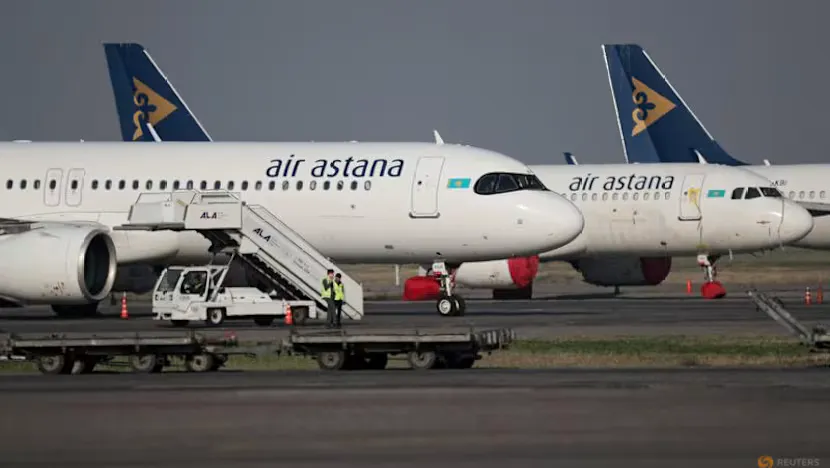
Air Astana CEO Ibrahim Canliel said prices had been too high to justify fresh hedges after its first-half contracts expired. The carrier nevertheless plans to rebuild coverage, targeting all fuel purchased outside Kazakhstan, typically about 30% of its total.
Japan Airlines senior managing executive officer Ross Leggett said the carrier expects prices to fluctuate and is budgeting for jet fuel at $160 a barrel under its worst-case scenario. All Nippon Airways CEO Juichi Hirasawa said fuel spending would exceed initial plans by ¥100 billion this fiscal year, but he expects stabilization during the financial year's second half.
ANA and JAL limit hedging to domestic consumption, using surcharges and fare adjustments for international fuel exposure. JAL plans to introduce a domestic fuel surcharge; ANA is considering one, though Hirasawa cited competition with bullet trains as a complication.
Singapore Airlines illustrates the limits of hedging protection. Fuel spending increased 56% to S$3.97 billion over the six-month period ending in September, while operating profit fell 29% despite record revenue. Gains from hedging totaled S$731 million, lowering its effective fuel price to $145 a barrel from $171 before hedging.
Wong said regional passenger growth was negative overall from April through August and only slightly positive in September. He warned that passengers could resist higher fares and that airlines risked having to cut capacity.