Oil edges lower as rising output counters supply risks
Brent fell 0.4% and US crude slipped 0.43%, with both contracts heading for weekly losses despite recovering from earlier declines.

The Hungarian energy company says it will be technically ready by the end of 2027, but its chief executive warns of higher costs and political risks.
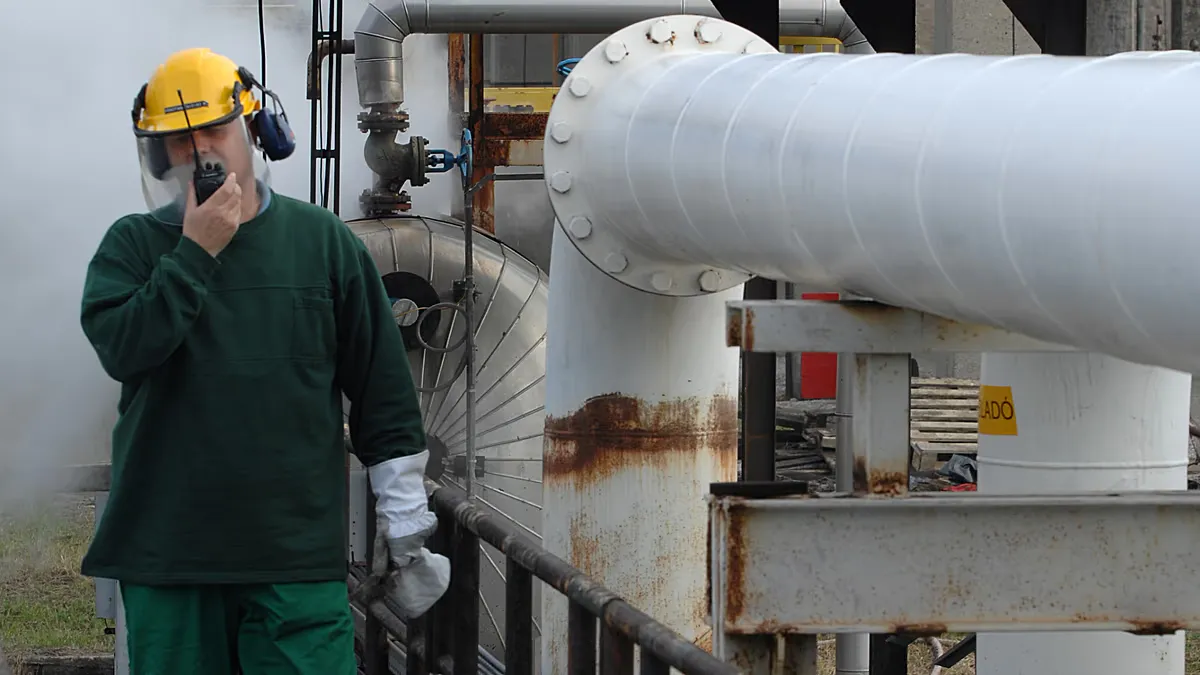
Hungarian energy company MOL says it will have the technical capacity to stop importing Russian oil by the end of 2027 and plans to seek EU financial support for alternative supplies and pipeline infrastructure.
MOL Hungary chief executive György Bacsa said in an interview that cutting reliance on Russian crude could raise energy costs and lead to social unrest and political instability in Hungary and Slovakia. An IMF study from 2025 estimated that a complete halt to Russian energy supplies could lift Hungary’s energy spending by around 15% by 2030.
Bacsa said restrictions covering fossil fuel projects block MOL’s access to EU money for pipeline expansion. He called for targeted European funding to improve connections for gas, electricity, oil and petroleum products, arguing that Central and Eastern Europe has less developed pipeline infrastructure than Western Europe.
European Commission spokesperson Itkonen left open the possibility of discussions about fossil fuel infrastructure but did not identify available financing. The Commission’s priority remains helping member states diversify away from Russian energy, the spokesperson said.
One alternative for MOL is the Adria pipeline linking Croatia and Hungary. MOL has asked the Commission to mediate a disagreement with Croatia’s state-owned operator JANAF over capacity testing on the Croatian section. The companies have also disputed transit charges, capacity and Russian crude shipments to Hungary and Slovakia.
MOL is interested in a connection to the TAL pipeline between Trieste and Germany and would welcome resumed operations on the Druzhba pipeline between Brody and Odesa in Ukraine. According to the Commission, Russia now supplies 2% of EU oil imports, compared with 27% in 2021.