US power consumption set for new records through 2027, EIA says
The agency attributes rising demand largely to AI data centers, alongside greater use of electricity for heating and transportation.

The €232 million Nukus 2 project has 25 turbines generating power, with battery commissioning targeted for completion by the end of November 2026.
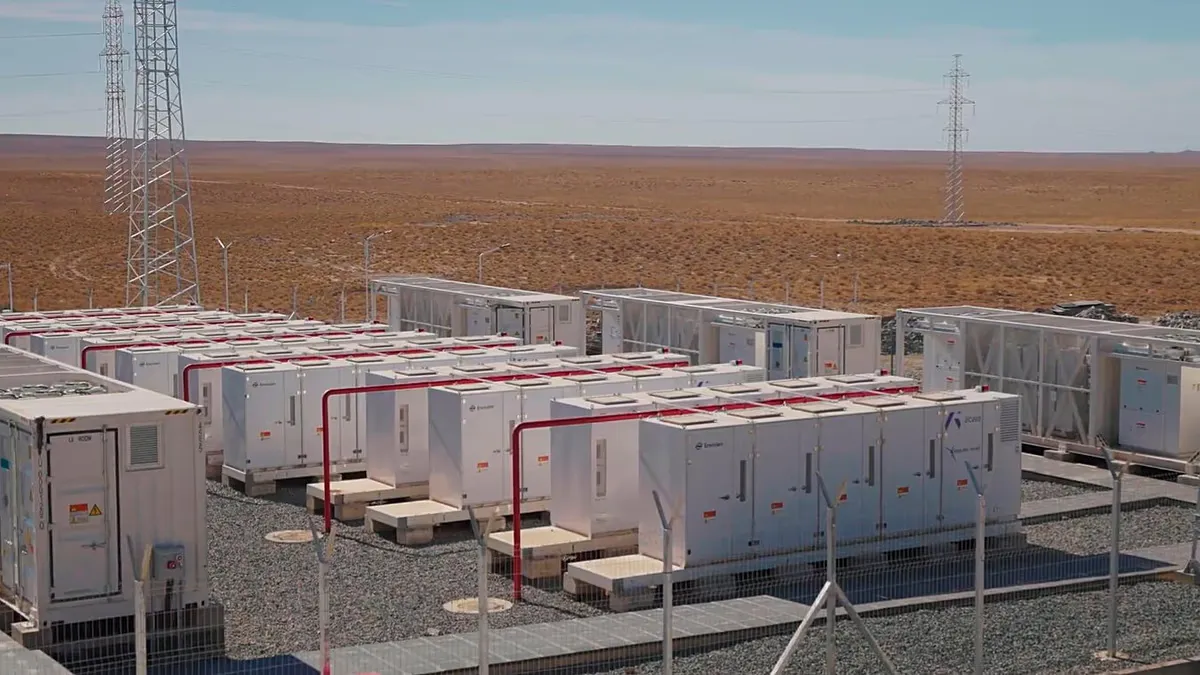
Saudi energy developer ACWA is nearing completion of its €232 million Nukus 2 project in Uzbekistan, where 25 of 26 turbines are producing electricity and battery commissioning is underway. The Asian Development Bank (ADB) describes the combination of wind generation and large-scale storage as a first for Central Asia.
Located in Karakalpakstan in northwestern Uzbekistan, the project pairs 200 megawatts of wind capacity with batteries that can store 100 megawatt-hours. An October 26 update showed construction was 94.2% complete. ACWA aims to finish commissioning the batteries by the end of November 2026.
Project director Sardorbek Mahmudov said generation started in August. Battery testing is proceeding in stages because of additional safety and fire-protection requirements. He said the completed facility could supply enough electricity for more than 300,000 people.
The batteries are intended to support the grid during periods of weaker wind output or higher demand. Mahmudov estimated they could supply electricity for three to four hours, depending on demand. A new transmission line spanning 44 kilometers and upgrades to existing infrastructure connect the project to the national grid.
Local subsidiary ACWA Beruniy Wind is implementing the project. In September 2025, ADB and a fund under its administration signed a loan package of approximately €46 million. The Asian Infrastructure Investment Bank separately approved approximately €67 million in financing.
A power purchase agreement signed in March 2024 commits Uzbekistan's national grid operator to buying the wind farm's electricity for 25 years. ADB expects annual generation to reach nearly 728,000 megawatt-hours once the facility is fully operational.