Denmark's digital dependence raises cyber risks, minister warns
Resilience Minister Lisbeth Bech-Nielsen called for more infrastructure investment and a rethink of which critical equipment needs internet connections.

SoftBank suspended mobile emergency alerts while addressing a PHP vulnerability, leaving customers without earthquake, tsunami and evacuation warnings.
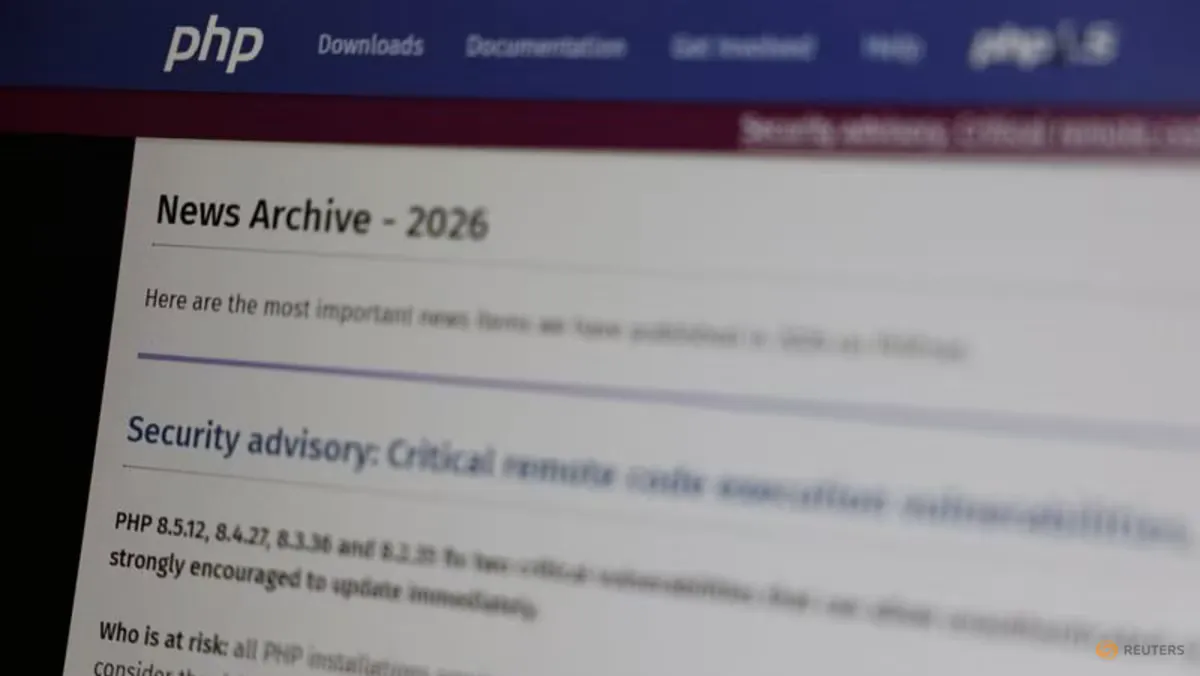
Japan said on October 23 it would create a team to use artificial intelligence to simulate cyberattacks and find weaknesses in technology systems, following widespread disruption linked to security flaws in the PHP programming language.
Disclosure of the vulnerabilities triggered millions of hacking attempts worldwide. Businesses and government agencies took websites offline or rushed to protect their systems, interrupting services including banking, transport and tax administration.
SoftBank said on October 23 that it was suspending its mobile emergency alert system for maintenance to address a PHP vulnerability. During the suspension, customers will not receive earthquake early warnings, tsunami alerts, or disaster and evacuation information through the system.
Japanese industry minister Ryosei Akazawa said defenders needed to approach security from an attacker's perspective and use AI proactively. PHP developers issued fixes after AI helped uncover vulnerabilities that had remained in the software for years, and urged users to update immediately.
Nomura, Mitsubishi UFJ Financial Group, ANA and East Japan Railway (JR East) temporarily halted some internet services as emergency precautions. Japan's Ministry of Finance, National Tax Agency and Meteorological Agency also suspended some online operations.
JR East said on October 23 that some group services were operating again, with others awaiting safety checks before restoration. Nippon Paint said its website had returned online after it installed a precautionary security patch.
Trend Micro CEO Eva Chen said Japanese businesses were likely being targeted for their detailed records, with AI removing language barriers that previously offered protection. Cybersecurity experts said AI was also enabling attackers to automate vulnerability searches and phishing campaigns.