Tidal to remove more than 29 million fully AI-generated songs
Removals will begin December 9. The streaming service says it will continue accepting music created with AI assistance.

Two dozen lawmakers sought answers by November 30 on testing and backup systems after the FAA expanded the software nationwide.
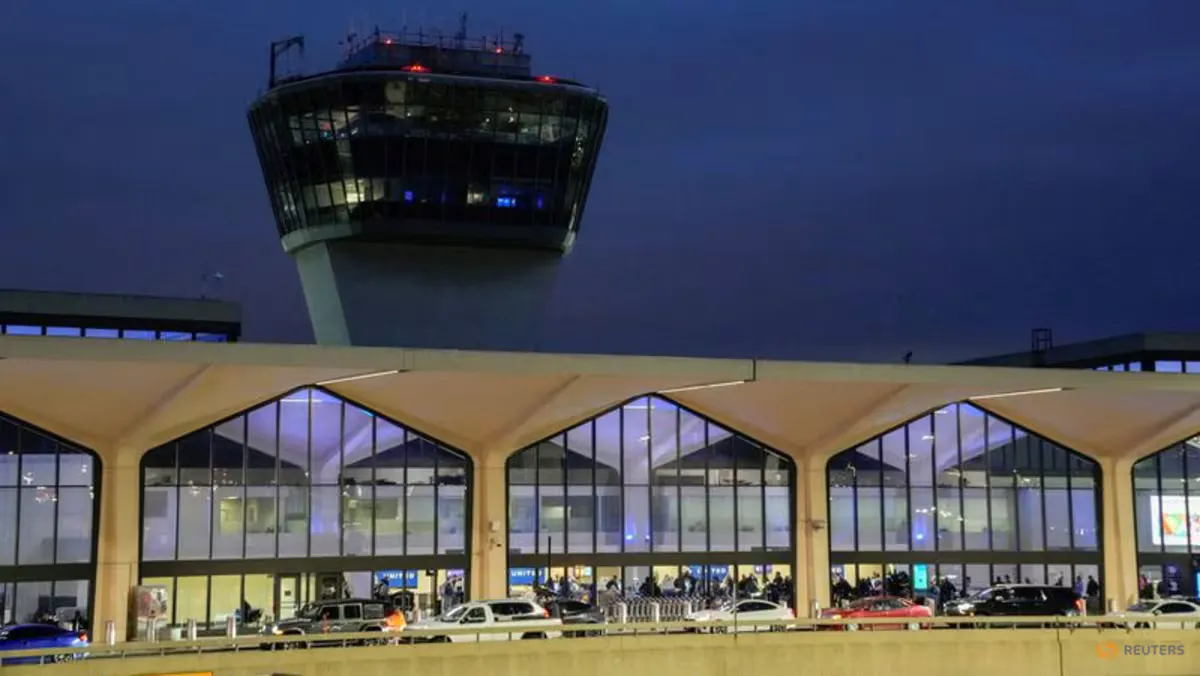
Two dozen House Democrats challenged the Federal Aviation Administration on November 24 over its November 10 nationwide deployment of an artificial intelligence tool for air traffic operations, questioning whether the software had undergone adequate validation.
Led by Representative Rick Larsen of Washington, the House Transportation Committee's ranking Democrat, the lawmakers requested answers by November 30. They said they had not received substantive evidence demonstrating proper validation before the expansion and asked what backup arrangements would protect air traffic control operations if the system experienced problems.
The FAA began using the software in the Washington area in September after awarding Air Space Intelligence a 12-year contract worth $875 million. Named Strategic Management of Airspace, Routes, and Trajectories, or SMART, it draws on more than 200 data streams to forecast traffic flows and flag potential conflicts.
The lawmakers' letter cited a nationwide ground stop on November 13 that lasted nearly five hours because of an FAA telecommunications issue. Cancellations affected an estimated 1.5 million passengers. The Democrats also cited reports of possible FAA retaliation against employees who questioned the safety of SMART's rapid deployment.
The FAA declined to comment, saying it would reply directly to the lawmakers. Transportation Secretary Sean Duffy has stressed that controllers retain authority over operations. SMART generates visualizations and scheduling recommendations that operations experts can consider passing along; it does not actively manage aircraft in flight.