BlackRock expands AI fund range with robotics ETF
The new fund will invest in companies using intelligent machines for repetitive tasks in sectors including transportation and manufacturing.

Khaira said major technology customers support infrastructure lending, while acknowledging higher borrowing costs and wider credit spreads.
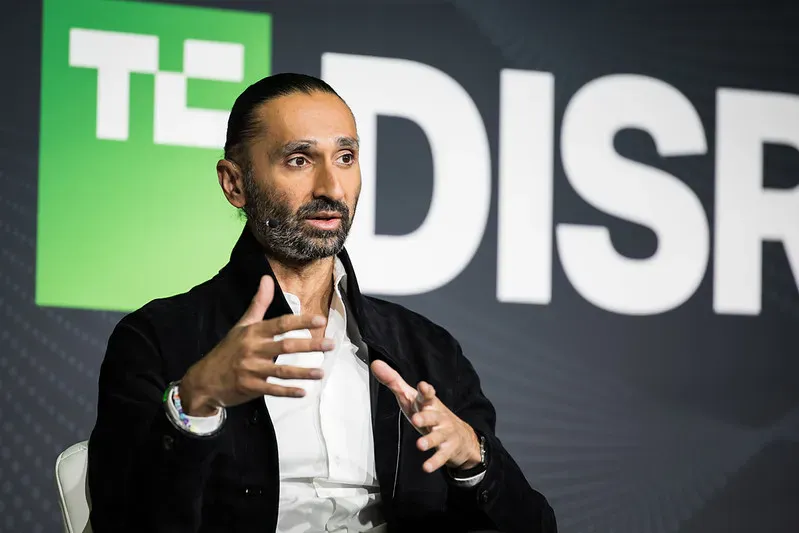
Jas Khaira of Blackstone argued that debt financing for artificial intelligence infrastructure is unlikely to cause a widespread credit crisis, pointing to the credit strength of the technology companies behind most data center projects. Speaking at a technology conference, he nevertheless acknowledged growing concerns about cloud providers’ borrowing.
Khaira said Blackstone evaluates a cloud provider’s contracted customers when determining lending risk. Contracts involving investment-grade companies such as Microsoft or Meta influence how loans are priced, he said. In his view, hyperscalers’ role as the ultimate customers distinguishes this financing from the weak bank credits associated with 2008.
The approach began with Blackstone’s $2.3 billion loan to CoreWeave in 2023. Nvidia GPUs provided collateral, and Microsoft customer contracts gave Blackstone additional confidence. Similar structures subsequently supported further lending to CoreWeave and competing providers of AI computing capacity.
CoreWeave now has about $50 billion in debt. Altimeter Capital founder Brad Gerstner has challenged the adequacy of its GPU collateral. Khaira attributed credit-market unease to rising interest rates, wider credit spreads and a wave of AI infrastructure debt offerings.
Another borrower, Australian GPU provider Firmus, received a $10 billion credit facility co-led by Blackstone and Coatue. Firmus later dropped a proposed Australian Securities Exchange listing targeting a valuation of roughly $30 billion. Khaira said the valuation lacked sufficient market support.