Meta employees testing prediction-market app Takes, report says
The internal app uses credibility credits instead of real money, and there is no clear timetable for a public launch.

Access initially is limited to some U.S. ChatGPT Pro subscribers aged 18 and older with eligible U.S.-issued payment cards.
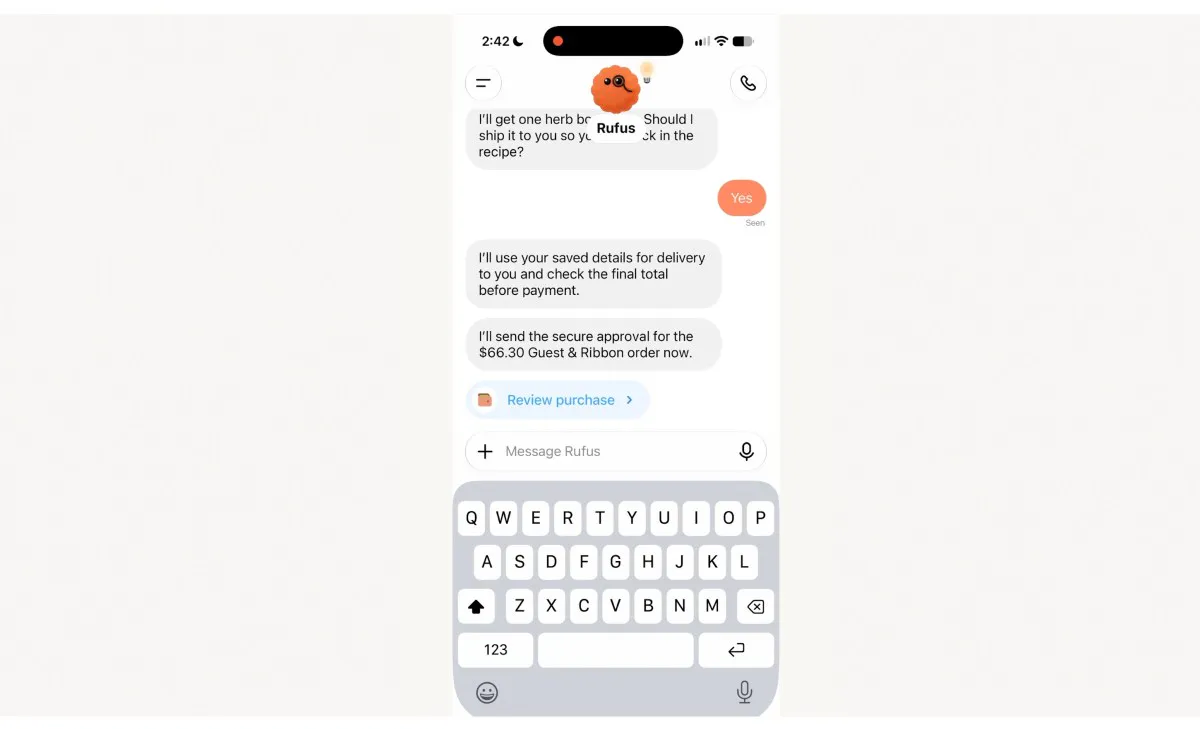
OpenAI has introduced ChatGPT Wallet, allowing its AI agents, known as dots, to help users choose products and make purchases for them. The initial rollout covers a limited group of U.S. ChatGPT Pro subscribers who are at least 18 and hold a U.S.-issued Visa, Mastercard or American Express.
Before checkout, users can inspect their selections, the purchase total and the card to be charged, OpenAI said. They must authorize the transaction through a security check, such as Face ID or a fingerprint, which also creates a transaction record.
Users add eligible cards to the wallet once rather than entering payment details for each order. Payments use a token in place of the actual card information, keeping those details from both the agent and the retailer. OpenAI said the dot supplies merchants with fulfillment information, including a delivery address and contact details.
The company said purchases made through dots retain credit card rewards and standard card protections, including the ability to dispute a transaction. It plans to use the restricted launch to test and refine the service before expanding access.
OpenAI also plans controls for spending amounts, purchase categories and time periods, allowing users to approve some purchases in advance. It aims to expand retailer support and has published a Commerce Partner Playbook with guidance and tools for merchants. Retailer restrictions remain an obstacle: Amazon blocks AI agents while directing customers toward its own Alexa agent.