Meta introduces two Muse Wonder models in push against AI rivals
Muse Wonder will soon power Meta’s personal AI agent for subscribers, while Muse Wonder Full is available through its coding tool.

The Air Force has ordered $1.7 million in data so far, with further purchases dependent on its needs rather than a commitment to the full contract value.
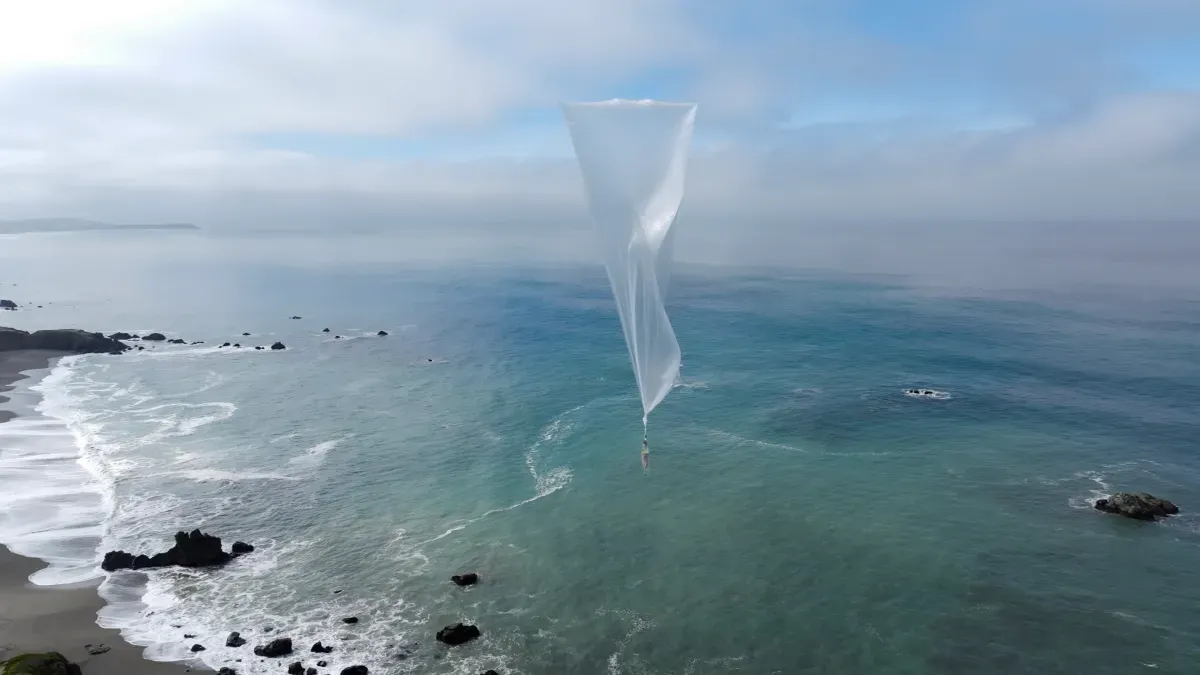
WindBorne Systems has secured a U.S. Air Force contract with a potential value of $49 million to supply atmospheric measurements from its autonomous balloons. The Air Force has placed orders totaling $1.7 million and will make purchases as needed, specifying locations and time periods.
The agreement was awarded without competitive bidding. Andrey Sushko, WindBorne’s co-founder and chief technology officer, said the government determined that the company alone could deliver global data in a way that met its operational requirements. He said the contract could support expansion of the balloon fleet and research to improve its hardware and performance.
WindBorne operates about 700 weather balloons worldwide. Their sensor measurements are sold to customers and used in the company’s AI forecasting model. Founded in 2015, the Redwood City, California-based startup has also worked with the National Weather Service and the U.S. Navy.
Chief Executive John Dean said in August that WindBorne had raised $37 million in Series B funding to expand its business. The company has also introduced WeatherMesh 6, a forecasting model it says is more accurate than the traditional physics-based model operated by the European Centre for Medium-Range Weather Forecasts.
In August, WindBorne became the first organization to collect measurements inside a typhoon’s eye using an unpowered flight system. It steers balloons toward suitable winds by changing altitude, releasing air or dropping sand ballast.