Canada pledges $6.2 billion to help manufacturers facing US tariffs
Steelmakers are allocated $3.7 billion and automakers $1.8 billion over five years as Canada seeks to limit damage from the trade dispute.

The central bank raised borrowing costs for a fourth consecutive time as inflation accelerated, with further tightening still possible.
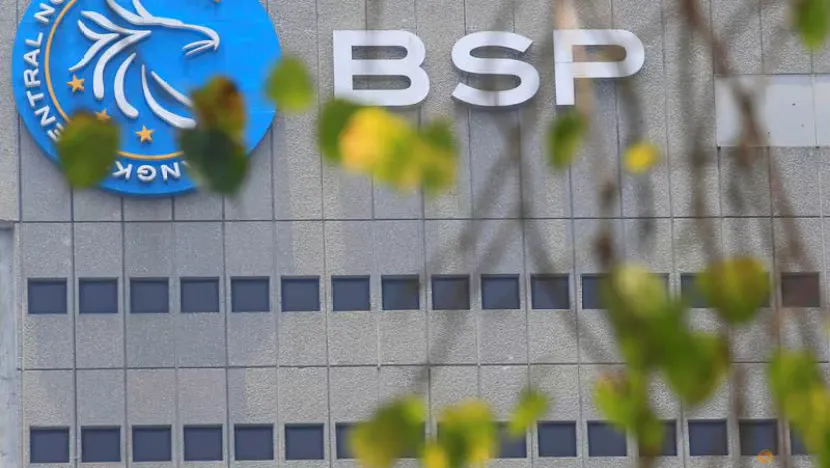
The Bangko Sentral ng Pilipinas raised its policy rate by 50 basis points on October 22, taking it to 5.5% as policymakers sought to contain spreading inflation pressures. The Philippine central bank signaled that it could increase rates again.
The fourth consecutive increase was larger than economists anticipated: each of the 27 surveyed had forecast a quarter-point rise. The BSP said stronger action was necessary to address inflation risks, limit knock-on price effects and keep expectations anchored.
September brought an acceleration in inflation after four consecutive monthly slowdowns. That left policymakers confronting renewed price pressures alongside weak growth during the year's first half. The peso strengthened immediately after the decision but subsequently reversed those gains, approaching a record low.
The BSP left its current-year average inflation estimate unchanged at 6.1%. For the following year, it lifted the forecast from 5.4% to 6.0%, pointing to expensive global oil and risks linked to El Nino. It projects inflation of 3.3% in 2028, within its target range.
Governor Eli Remolona said an anticipated economic recovery, helped by fiscal measures, provided scope for policy adjustments. He said policymakers remained willing to raise interest rates further.