Black Hills plans $1.8 billion power expansion for Google data center
Google will cover electricity supply costs for the proposed Wyoming facility, while Black Hills expects about $150 million in additional net income by 2030.

The G7 has agreed to release 100 million barrels from emergency reserves, but has not specified the mix of fuels or participating countries.
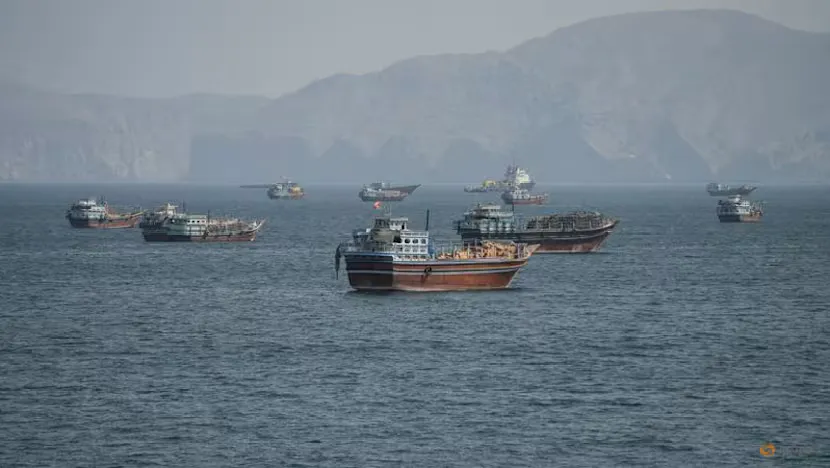
Oil prices recovered earlier losses and were little changed on October 6 as increased Middle Eastern exports and plans to release emergency reserves countered concerns about supply disruptions linked to Yemen's Iran-backed Houthis.
At 12:33 p.m. EDT, Brent futures traded at $100.03 a barrel, down 29 cents, or 0.3%. US West Texas Intermediate crude gained 16 cents, or 0.2%, to $89.59. Brent was heading toward its lowest closing level since September 22.
Vitol's CEO said tankers had carried around 12 million barrels per day of crude and 2 million bpd of refined products out of the Middle East over the preceding seven to 10 days. PVM analyst John Evans said expectations that more crude would reach the market had weakened upward pressure on prices.
The Group of Seven agreed to make 100 million barrels available from emergency reserves, comprising diesel and crude oil, and pledged not to impose restrictions on energy exports. It did not specify how much of each fuel would be released or which countries would contribute. Sources said the International Energy Agency would meet to settle details of the diesel release.
The risk of additional disruptions in the Middle East limited price declines. Saudi Arabia's aviation authority said attacks on airports in Jazan and Najran injured three people and caused limited damage. The Saudi-led coalition separately said it had destroyed an intercepted Houthi ballistic missile.