France plans rare earth and critical metal reserves to reduce reliance on China
Caisse des dépôts will manage the project, while public support for defense, aerospace and automotive companies will require more diverse mineral supplies.

OPEC+ ministers are due to meet on November 29 to decide output policy for 2027, while analysts point to concerns about excess supply.
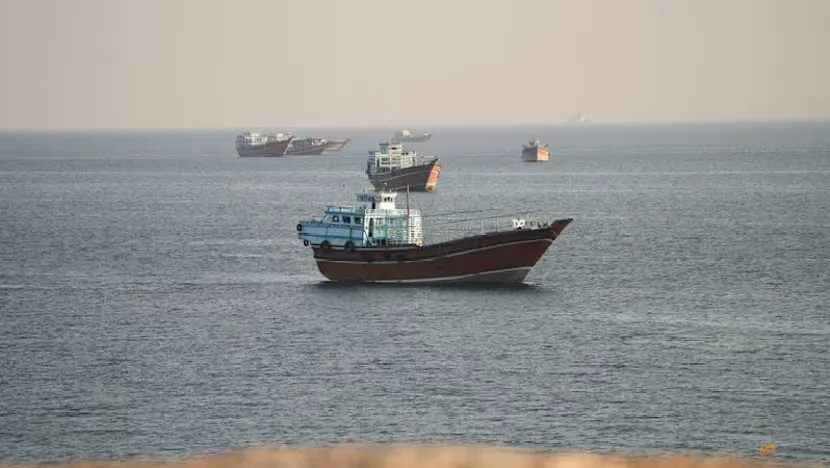
Oil futures fell on November 25, with analysts citing worries about excess supply despite threats to Middle Eastern exports. At 10:35 a.m. GMT, Brent was down 44 cents, or 0.5%, at $90.96 a barrel, while U.S. West Texas Intermediate lost 62 cents, or 0.8%, to $81.43 a barrel.
Both benchmarks had risen more than 2% in the previous session. Tamas Varga, an oil analyst at brokerage PVM, said investors were focused on the possibility that supply would exceed demand. He also cited rising crude inventories as a factor weighing on prices.
Market sources citing American Petroleum Institute data said U.S. crude inventories increased by 126,000 barrels during the week ended November 20. A poll of eight analysts had produced an average estimate for a rise of about 1.5 million barrels.
OPEC+ ministers are scheduled to determine their 2027 production policy at meetings on November 29. Iraq is seeking a higher assessment of its crude production capacity, according to four people familiar with the matter. That review will help set how much members can produce next year.
Meanwhile, Yemen's Houthis said they attacked the Ras Tanura refinery and Riyadh's financial district on November 25. Saudi Arabia's largest refinery, Ras Tanura is within a Gulf coast complex that also includes a major crude export terminal.
Libya's Sharara pipeline reopened after a group closed a valve, allowing oil to reach storage tanks at the Akakus facility in Zawiya. Tsuyoshi Ueno, senior economist at NLI Research Institute, said attacks near the Strait of Hormuz and fighting between Saudi Arabia and the Houthis created uncertainty over whether the price trend could persist.