Chile seeks closer cooperation with Japan on critical minerals
The countries pointed to a Japanese-developed communications network being tested at Codelco’s El Teniente copper mine as an example of cooperation.

Brent settled at $89.37 a barrel and WTI at $80.17 as Libya’s Sharara pipeline reopened and Middle Eastern supplies increased.
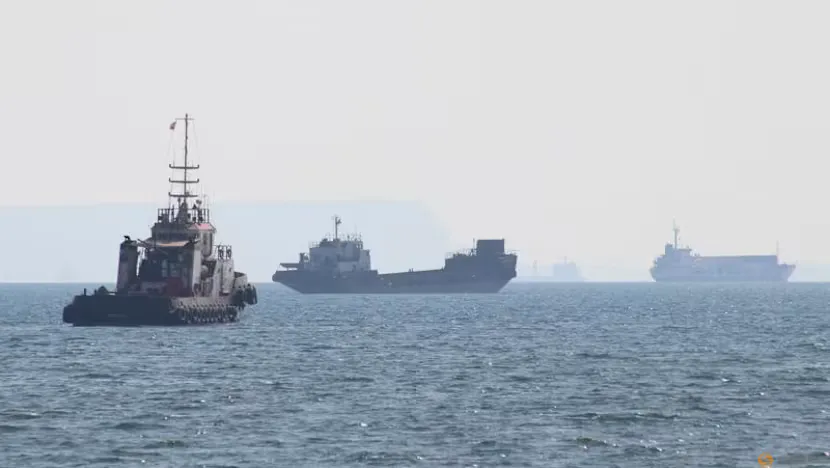
Oil futures fell to three-month lows on November 23 as increased Middle Eastern supply and renewed flows through a Libyan pipeline outweighed concerns over attacks on refineries and shipping.
Brent lost $3.20, or 3.46%, to settle at $89.37 a barrel, its lowest close since August 31. US West Texas Intermediate declined $3.24, or 3.88%, to $80.17 a barrel, its weakest settlement since August 10.
The chairman of Libya’s National Oil Corp said the Sharara pipeline had resumed operations, with crude starting to reach storage tanks at the Akakus facility in Zawiya.
Supply risks persisted across the Middle East. The Iran-aligned Houthi movement said it had attacked a Saudi Arabian refinery, while UK Maritime Trade Operations reported several weekend attacks on vessels in the Gulf and around the Strait of Hormuz.
Bank of America said geopolitical developments would remain the main influence on oil prices. It said relatively low worldwide inventories left many countries exposed to supply disruptions.
Ukraine’s military also said it had hit Lukoil’s refinery in Perm overnight, damaging three processing units. Separately, traders and people familiar with loading schedules and shipping data said poor weather and continuing Ukrainian drone attacks were increasingly delaying Russian oil exports through major Baltic and Black Sea terminals.
OPEC+ ministers are scheduled to meet on November 29 to determine output policy for 2027. The alliance includes OPEC members and other producers, including Russia.