AI chip demand squeezes supply for other uses, Siltronic chief says
Siltronic lifted its annual sales outlook for a second time this year as wafer demand strengthened.

Committee members voted 6-1 to remove proposed moratorium recommendations, despite findings that approvals overlook combined resource and infrastructure pressures.
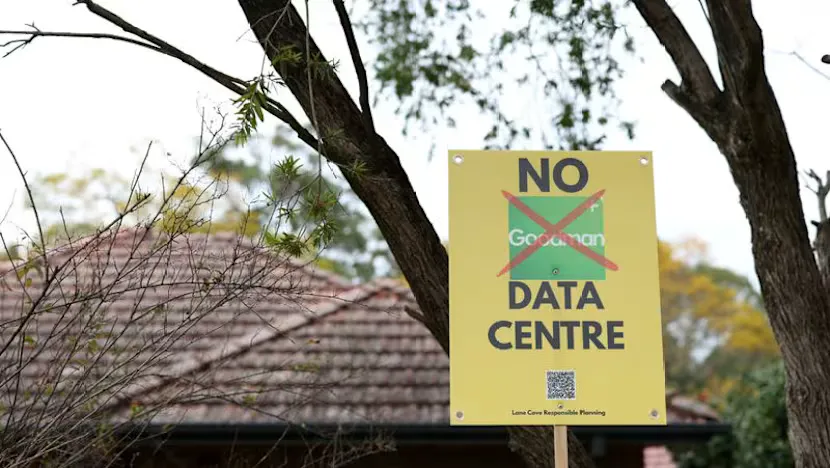
A parliamentary inquiry in New South Wales found that data center approvals inadequately account for the combined strain on resources and infrastructure, but its November 5 report did not recommend suspending approvals.
The cross-party inquiry said the Australian state needed a comprehensive strategy for data centers and closer coordination among those involved in approving projects. It found that assessing facilities individually overlooked effects that accumulate across developments and affect communities and other industries.
The report warned that existing guidelines may understate future electricity requirements and constraints on water supplies. Concentrating facilities in the same areas could also put pressure on infrastructure, it said.
Minutes accompanying the report showed that the Public Accountability and Works Committee voted 6-1 to delete recommendations for moratoriums at both state and national levels. Those proposals would have paused approvals until the social and environmental harms were fully understood.
Committee chair Abigail Boyd, a Greens member of the state's upper house, was the only member to vote to retain those recommendations. In her foreword, she criticized governments' support for the AI-driven expansion and warned about its energy and water demands.
NextDC and OpenAI, which owns ChatGPT, are awaiting approval for a data center in the state. Residents' opposition in one suburb has already led to the withdrawal of a smaller project.