BOJ's Ueda stresses inflation risks ahead of October policy meeting
Japan's central bank governor said Middle East tensions, AI-related demand and currency movements could push underlying inflation above its 2% target.

The fund forecasts global growth of 3.1% in 2026 but warns of risks from debt, the Middle East conflict and a possible end to the AI investment boom.
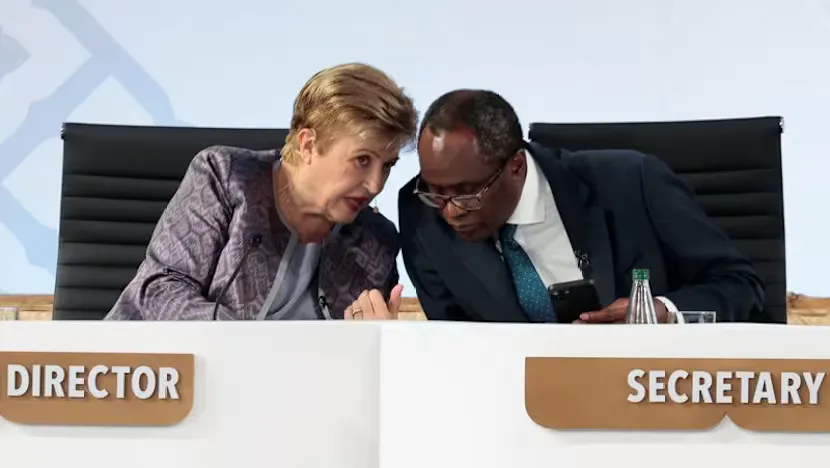
International Monetary Fund chief Kristalina Georgieva urged governments on October 16 to work together on risks posed by artificial intelligence, war and economic divisions, while a senior US Treasury official argued that American growth and innovation deserved greater weight in the outlook.
Speaking at the annual IMF and World Bank meetings in Bangkok, Georgieva said rapid technological change, trade disruptions and elevated food and energy costs threatened to deepen the divide between rich and poor countries. She also expressed concern about regulating AI and ensuring poorer nations could benefit from its development.
The IMF slightly increased its 2026 global growth projection to 3.1%, still below the historical average. It identified rising debt, the continuing Middle East conflict and a possible reversal of the AI investment boom as significant threats to growth and financial stability.
US Treasury Under Secretary Erin Browne called for a more balanced assessment, pointing to record US stock prices, strong American output and improvements in Japan. She said US growth was supporting global stability and argued that innovation, abundant energy and productivity reforms offered opportunities. Browne credited President Donald Trump's tax, trade, energy and deregulation policies with supporting investment and growth.
Meanwhile, IMF and World Bank officials said demand for grants and loans was elevated. IMF strategy chief Christian Mummsen said low-interest lending to low-income nations had quadrupled since the COVID pandemic, with demand expected to stay strong. Those countries had received about 60% of IMF financing since COVID, he said.