EU seeks Chinese import quotas as trade chief travels to Beijing
Two days of talks come as the EU’s daily trade deficit with China reaches a record €1 billion and an October deadline for progress nears.

The understanding also covers rare-earth export licensing and improved access to China for EU goods worth almost €4 billion in current exports.
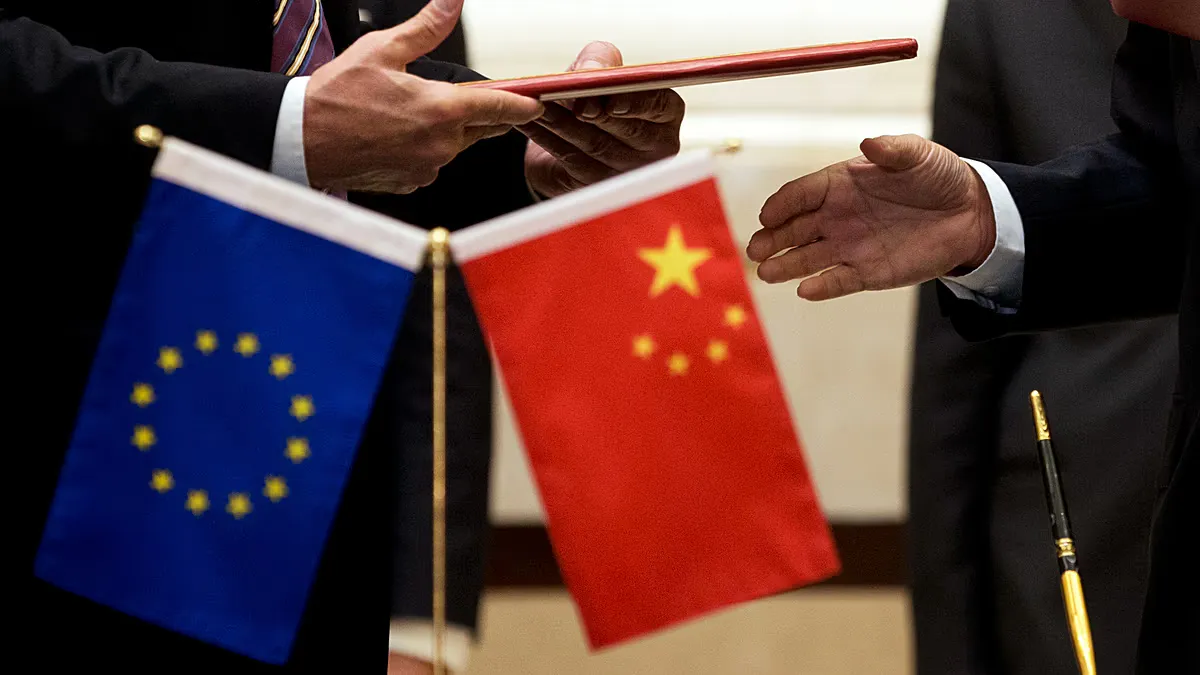
EU Trade Commissioner Maroš Šefčovič announced on October 9, 2026, that talks with China had produced an understanding to restrain Chinese hybrid vehicle exports to the European Union. He said it opened the possibility of cutting those shipments by more than half.
Hybrids and plug-in hybrids are both covered by the arrangement. Šefčovič announced it after spending two days in Beijing negotiating with his Chinese counterpart, Wang Wentao. He characterized the outcome as the completion of an initial phase of negotiations.
European car parts, footwear and olive oil are among the goods set to benefit from improved Chinese market access, the commissioner said. The products represent almost €4 billion in current export value, and he said the arrangement should yield duty savings of at least €225 million.
On raw materials, Šefčovič said Beijing had agreed to further facilitate licensing of rare-earth and permanent-magnet exports. Rare earths are essential to European green technology, defense and automotive industries. The EU has accused China of using that dependence as leverage after Beijing imposed export restrictions in 2025.
EU leaders are expected to examine the agreement at a summit in Brussels. The bloc's deficit in trade with China stands at a record €1 billion a day, with every EU country running a deficit. France and Germany have called for stronger action against unfair Chinese trade practices, while 44 EU industries warned that an effective response to trade distortions is necessary to sustain production, jobs and investment.