Anthropic works on cryptographic checks for AI model identity
The FlashProve research project would allow users to check a model’s identity without exposing its private internal parameters.

The German startup also deployed a flexible solar array during the demonstration, although one of its printers failed.
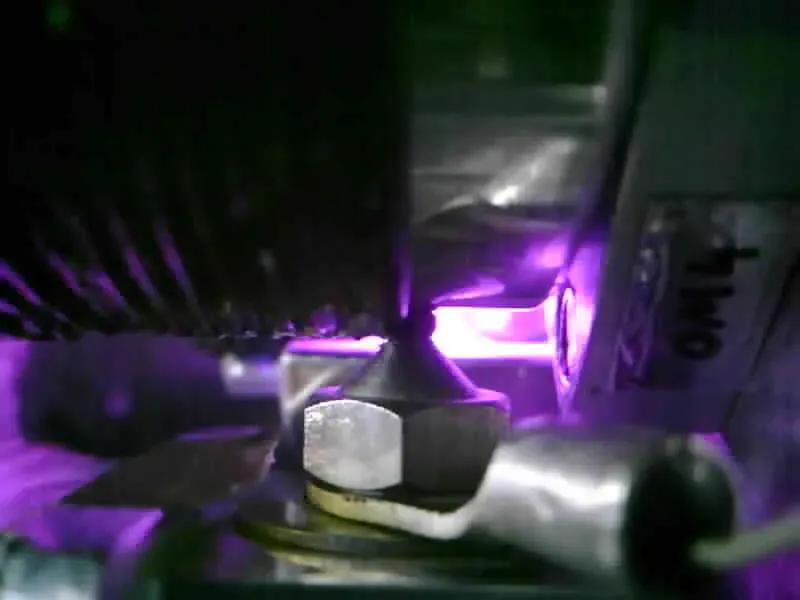
Orbital Matter’s Replicator 2 satellite has printed a rigid plastic beam measuring half a meter in orbit. Executives at the German startup said the achievement was a first for a spacecraft flying freely in orbit.
The satellite launched with SpaceX on a rideshare mission carrying four printers. They build cylindrical beams by extruding resin in coils and hardening it with ultraviolet light.
An anomaly disabled one of the two printers intended to deploy a flexible solar array. Despite that failure, a boom produced during the mission successfully extended the array.
The approach could allow spacecraft to construct large components once in orbit, rather than launch them as folded structures that must fit within a rocket’s fairing. The amount of resin aboard Replicator 2 limits the boom’s length.
Orbital Matter is developing a follow-up demonstration scheduled to launch in 2028. It will put a bigger printer on a larger satellite, with the company hoping to deploy a solar array capable of generating electricity.
The startup’s partners include the European Space Agency and Thales Alenia, both of which worked on Replicator 2. Satellite builders are also considering its printer-assisted deployment system, called PADS, for extending antennas, solar panels and other spacecraft components.
Founded in 2022, Orbital Matter has raised $3 million in seed funding.