EU and Panama reject COP31 proposal that leaves fossil fuels unnamed
The proposed agreement retained an electrification goal, but approval required consensus among almost 200 countries at the talks in Turkey.

Economy minister Airlangga Hartarto expects trade to rise 50% within three years, while the agreement still faces approval procedures.
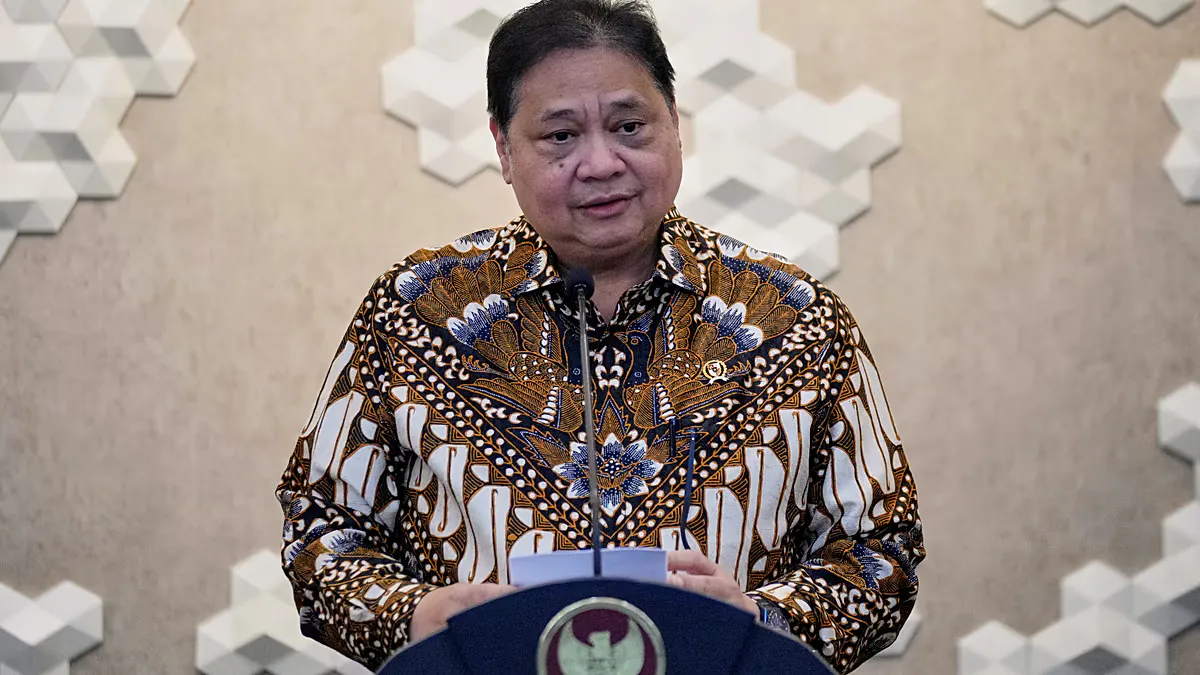
Indonesia's economy minister, Airlangga Hartarto, said US tariffs helped bring Jakarta and the European Union closer during negotiations on a trade agreement signed in Brussels after a decade of talks. He expects the pact to increase trade between them by 50% over three years.
Hartarto said Indonesia's simultaneous tariff negotiations with Washington influenced the EU talks. The two sides reached a political agreement in July 2025, two days before US President Donald Trump announced an arrangement imposing a 19% tariff on Indonesian goods.
The minister said EU partners and business groups representing both economies had discussed the trade-growth goal. He described their products as complementary rather than competing.
Implementation remains subject to approval procedures as Indonesian exporters approach a change in their access to the EU market. Indonesia exits the Generalised Scheme of Preferences on January 1. Goods benefiting from that program will face standard EU tariffs until the new agreement takes effect.
Hartarto expressed confidence that implementation could begin on January 1, 2027, saying the agreement was being taken to the European Parliament. Its legislative tracker provisionally schedules a vote for December 14, but the file remains at the preparatory stage. Parliament said when the agreement was signed that a precise timetable had not been settled.
Lawmakers can accept or reject the pact but cannot change it. The European Commission expects provisional application, likely in early 2027, after both parties finish their internal procedures.
Separately, EU deforestation requirements begin on December 30 for large and medium-sized companies. Hartarto said Indonesia was ready to comply but was still discussing whether national certification programs, including Indonesian Sustainable Palm Oil certification, could count toward meeting the rules.