Amazon says New York City delivery bill could raise order costs
The proposal would require city licenses for last-mile delivery operators and direct employment of workers instead of contracting out the work.
The Chicago Fed chief said the central bank must contain overheating risks, while leaving open the size of a possible December rate increase.
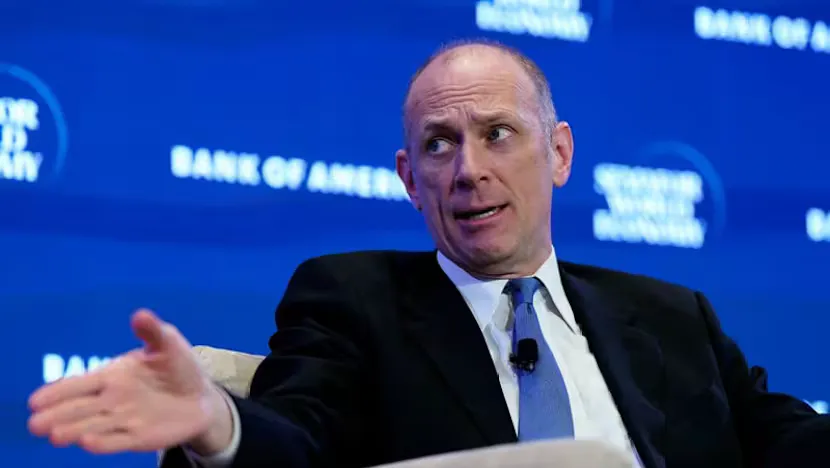
Artificial intelligence investment threatens to push demand beyond what the US economy can supply, Chicago Fed President Austan Goolsbee said on November 19, warning that the Federal Reserve would need to counter the resulting inflation pressures.
In a call with reporters, Goolsbee said planned data-center construction worth multiple trillions of dollars was already fueling price pressures. Inflation remained far above the Fed's 2% goal and could rise further, he said, describing business investment on a scale that risked overwhelming economic capacity.
A quarter-percentage-point rate increase is widely expected when Fed officials meet December 8-9. Goolsbee declined to specify whether he would back a half-percentage-point move, which at least one other policymaker has advocated. He ruled out no options and said the evidence did not suggest inflation would ease back to 2% by itself.
Goolsbee also highlighted the potential economic consequences of Anthropic's record stock-market debut. He described the offering as a $1.5 trillion IPO and said early investors' newfound ability to access equity worth well over $1 trillion made their spending decisions relevant to the economic outlook.
Speaking at a separate event that day, Goolsbee said AI's impact on productivity and underlying economic potential was still unclear. Earlier general-purpose technologies needed years or decades to reshape business practices broadly, he noted. For now, he said, AI appeared to be adding near-term inflation pressure, requiring monetary policy restrictive enough to balance supply with demand.