Signal to block screenshots by default to limit AI access to chats
The messaging service called its safeguards incomplete and asked operating system providers for stronger controls over AI assistants.

Novo Nordisk and Novartis reported shorter research timelines, but evidence that AI-developed medicines will succeed more often in human trials remains uncertain.
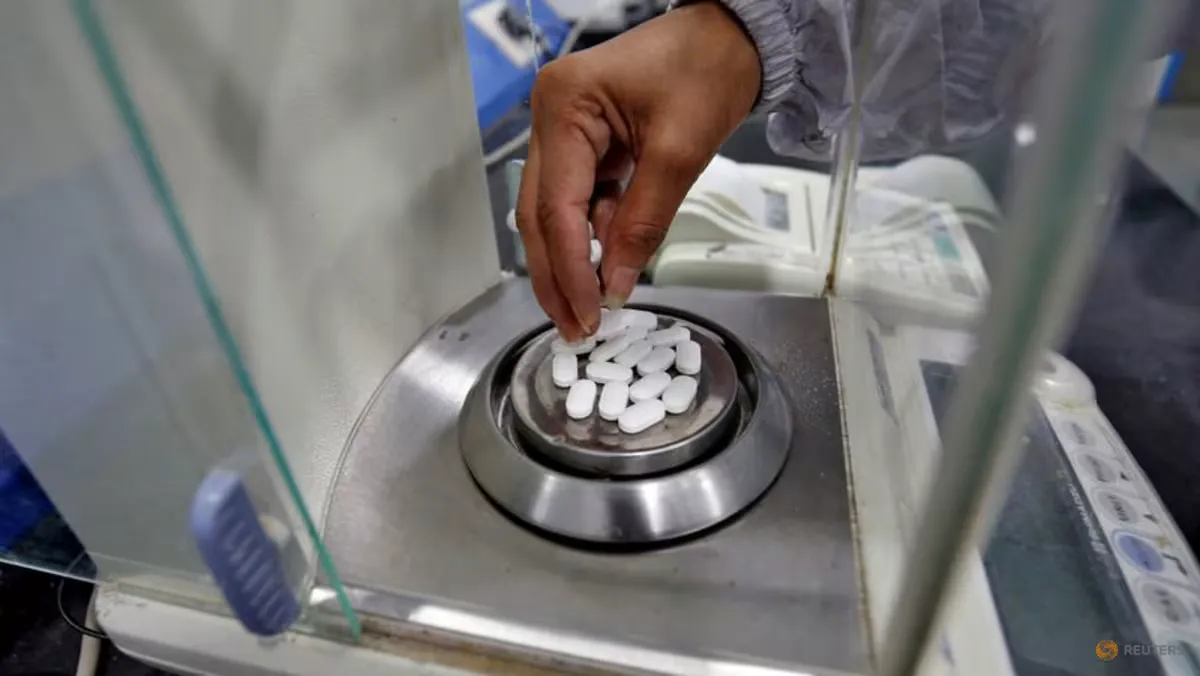
Major pharmaceutical companies say artificial intelligence is shortening early drug development timelines, in some cases by as much as half, as they use the technology to design molecules, select candidates and identify potential safety problems.
Novo Nordisk said AI reduced its molecule design, manufacturing and testing process to three cycles from around eight, while cutting each cycle to four weeks from eight. At Novartis, President of Biomedical Research Fiona Marshall said reaching a drug candidate now takes about 18 months to two years, compared with three years previously.
Sanofi said an AI-assisted approach helped it avoid a dose-selection study for its asthma treatment lunsekimig, saving at least a year. Bristol Myers Squibb said its AI systems were essential to developing one of its sickle cell anemia drug candidates.
The reported gains have not yet translated into a large increase in AI-enabled medicines undergoing clinical testing. Researchers counted 129 candidates at 69 companies in March, compared with around 117 eight months before. Most remained at an early development stage.
Dr. Waqas Haque, a University of Chicago oncology fellow who helped compile those figures, said it was unclear whether AI-developed drugs would have higher success rates. He also questioned whether approvals would come faster, citing constraints involving human trials and regulators.
The advances come as Anthropic expands its drug research activities, both independently and with partners including Bristol Myers. Drugmakers differ over whether frontier AI companies are primarily collaborators or competitors. Novo Nordisk and Sanofi said they do not give those companies proprietary data for model training.