Vietnam seeks US trade deal as Taiwan expects 15% tariff to hold
Washington proposed duties of 20% to 40% on major trading partners, though trade agreements could limit the rates applied.

Markets widely expect the Bank of Japan to lift its policy rate from 1.25% to 1.5% at its meeting ending December 18.
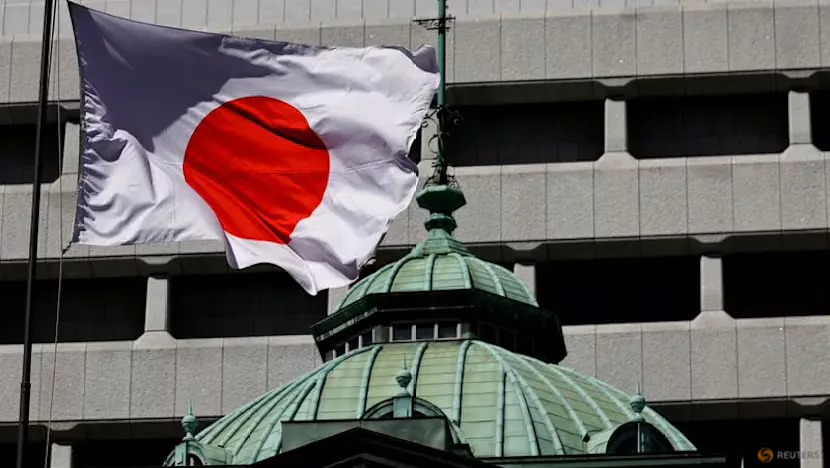
Bank of Japan board member Naoki Tamura said on November 26 that policymakers should act quickly if inflation shows signs of overshooting, potentially increasing the frequency of interest rate rises.
In a speech ahead of the central bank's two-day meeting ending December 18, Tamura argued that borrowing conditions remained loose and that rates should soon reach a level that neither stimulates nor restrains economic activity. He said the current policy rate remained some distance below that neutral level.
Tamura identified higher raw material costs, oil price increases linked to the Middle East conflict, a weak yen and resilient demand for AI-related products as sources of inflation pressure. He said rising costs were affecting a broad range of goods and would feed more strongly into consumer prices.
The BOJ increased its policy rate to 1.25% in September following a June rise, moving more frequently than its roughly twice-yearly increases in 2024 and 2025. It left rates unchanged in October while signaling that further tightening remained possible.
Tamura said surveys indicated that previous increases and possible additional moves were unlikely to cause major harm to corporate activity. Policymakers could assess financial conditions within a few months after each increase, he said. He also argued that Japan needed a quicker, stronger response to shocks because inflation expectations were less firmly anchored than in other economies.